
 Acadia University
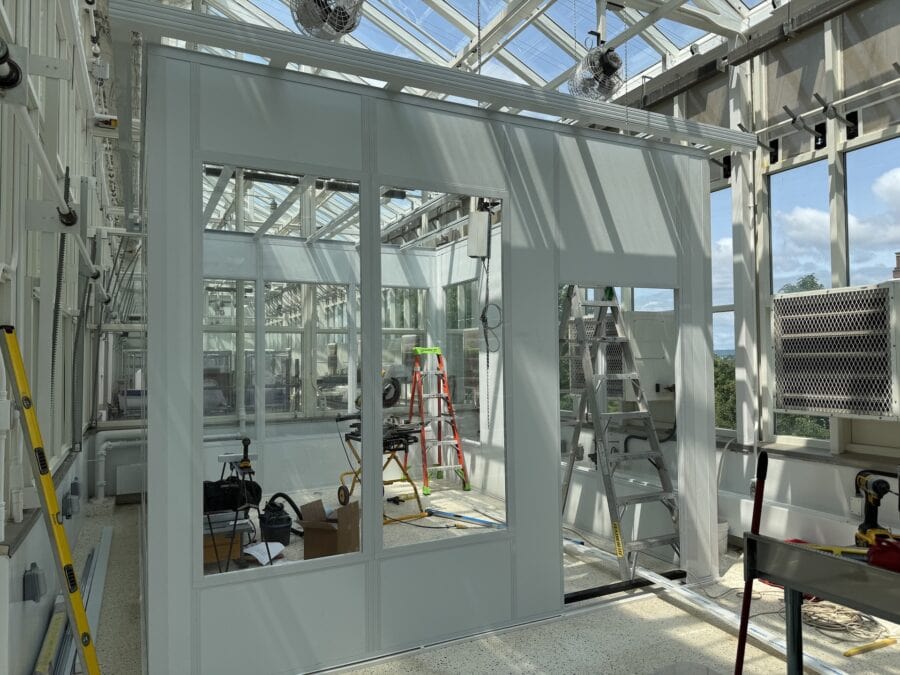
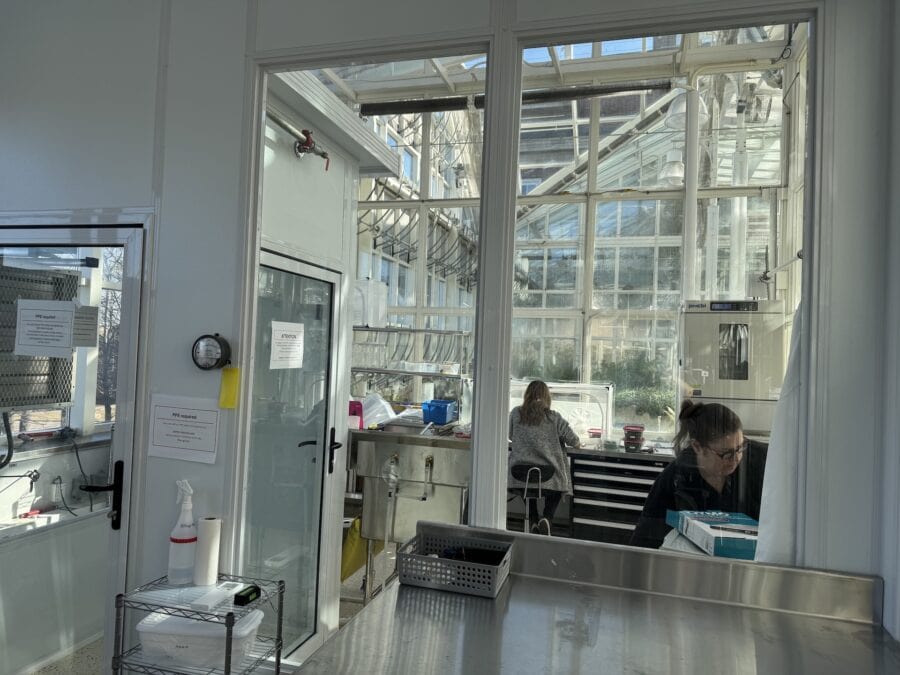
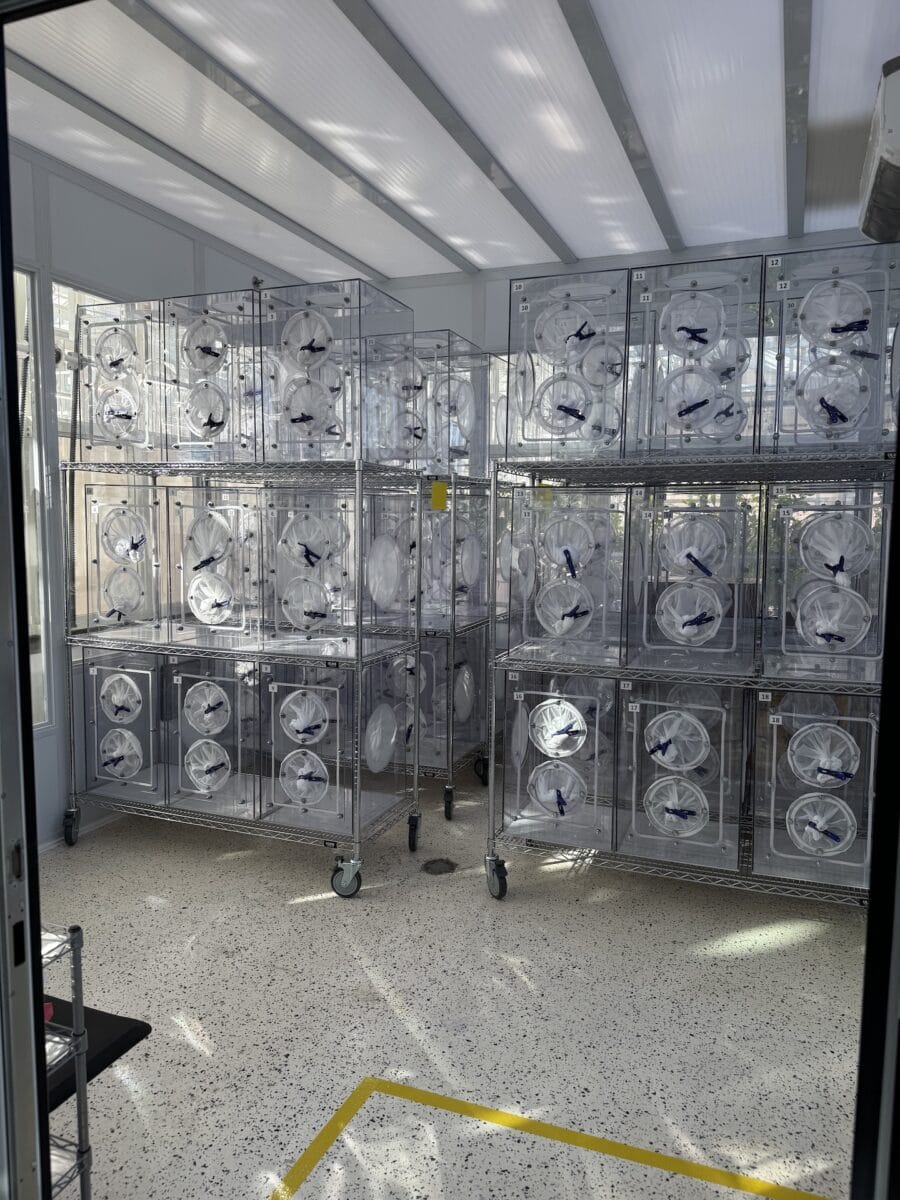
Dr. Kirk Hillier and team operate the Hemlock Wolly Adelgid (HWA) Biocontrol Facility, certified for biocontainment by the Canadian Food Inspection Agency (CFIA), within the K.C. Irving Environmental Science Centre.
Biocontrol is a strategy for managing pests using natural predators. The goal of biocontrol is to reduce populations to manageable levels, restoring a sustainable ecological balance.
Dr. Hillier’s facility enables research on HWA biocontrol agents and operational rearing of predator populations for controlled releases to the environment. The HWA insect was first documented in Nova Scotia in 2017, and if left uncontrolled would decimate populations of Eastern Hemlock trees, forever changing our forest ecosystems in Wa’pnaki.
Biocontrol and HWA
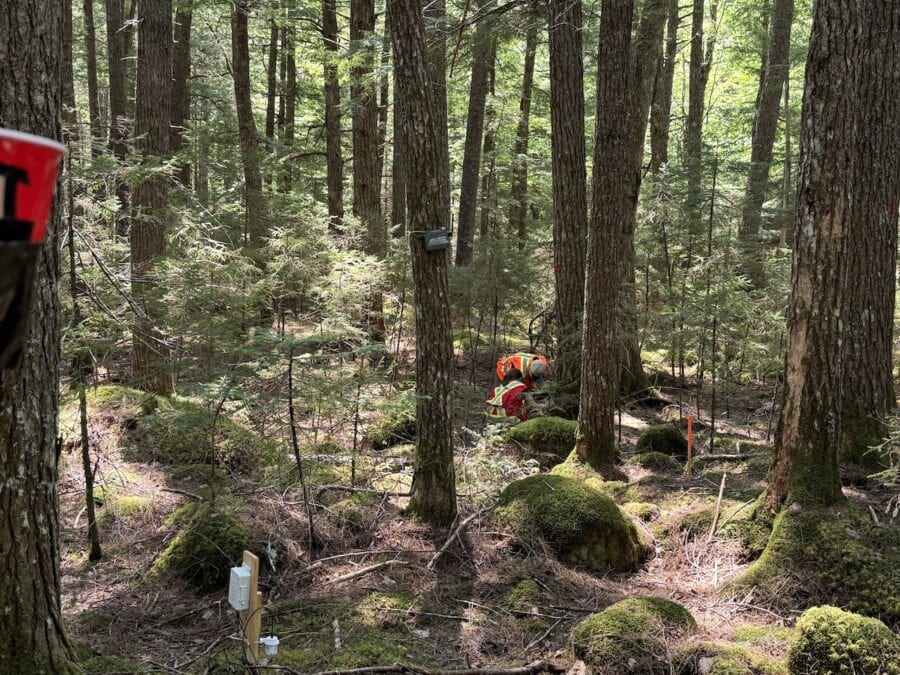
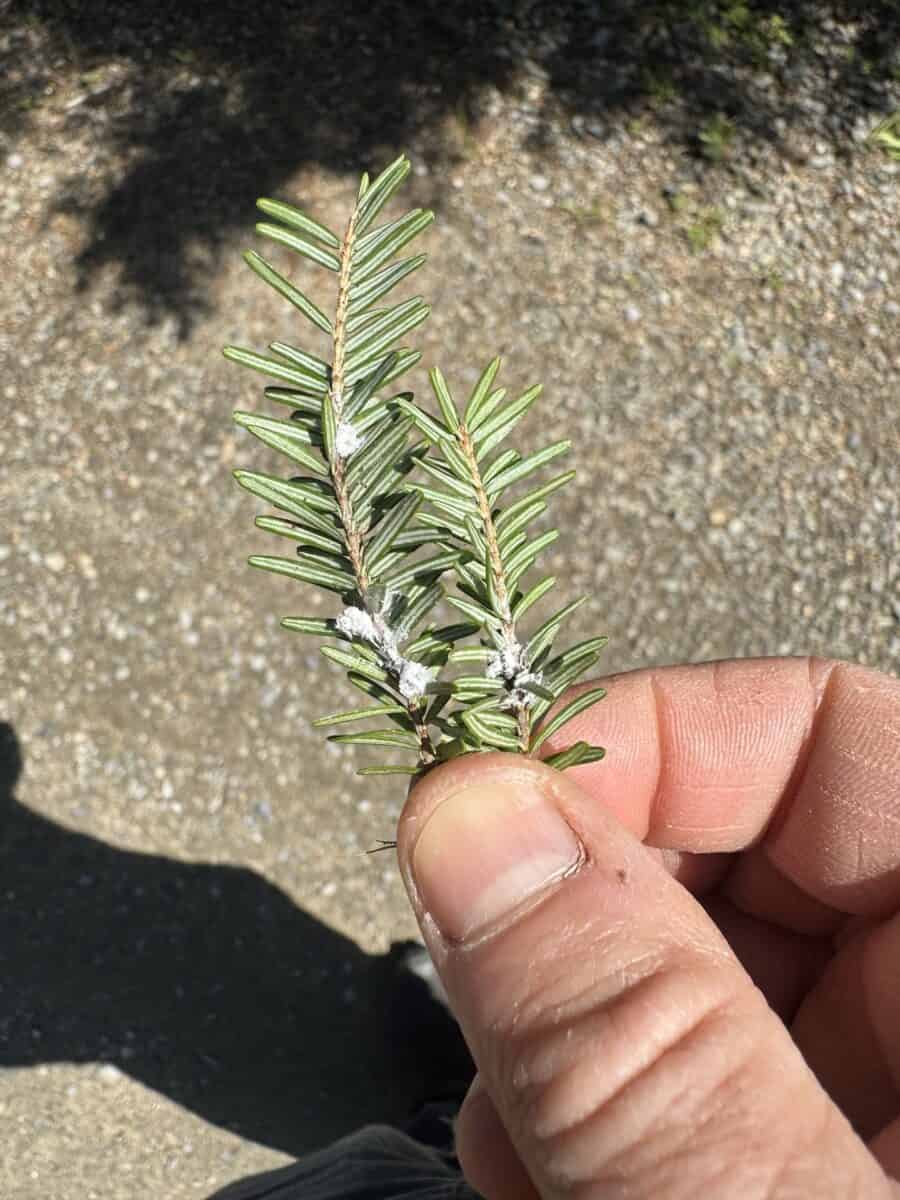
Hemlock Woolly Adelgid (Adelges tsugae) is an invasive insect that infests hemlock tress (Tsuga canadensis), causing over 95% tree mortality within 4-10 years if left untreated. This is significant because Hemlock are a keystone species in the Wapna’ki (Acadian) forest, and are especially prevalent in old growth forest stands. Hemlock occupy roughly 218 000 hectares of forest in Nova Scotia.
Management options for HWA include the application of systemic insecticides and the use of classical biological control. While insecticides can provide effective short-term protection for high-value trees, biological control is widely regarded as the most sustainable, landscape-scale solution for long-term suppression of HWA populations.
Biological control programs targeting HWA have been developed and implemented across much of the eastern United States over the past two decades. Predatory beetles such as Laricobius nigrinus—introduced from western North America—and Laricobius osakensis—introduced from Japan—have been released extensively from states such as Virginia to Massachusetts. In several regions, including the southern Appalachians and parts of the mid-Atlantic, these predators have established, synchronized with HWA life cycles, and contributed to measurable reductions in adelgid densities. Additional agents, including silver flies in the genus Leucotaraxis, are also being evaluated and released to complement these efforts, forming a multi-species biocontrol approach.
These U.S. programs provide strong proof-of-concept that biological control can play a central role in mitigating HWA impacts over the long term, particularly when integrated with targeted chemical protection of high-value or conservation-priority trees.
Candidate biocontrol agents for HWA
To control HWA Dr. Hillier and team, along with collaborators from Natural Resources Canada-Canadian Forest Service, Nova Scotia Department of Natural Resources , and Nova Scotia Environment and Climate Change areprioritizing two species: predatory Laricobius beetles and Leucotaraxis silver flies. These insects are collected from the west coast of Canada and are transported to the biocontainment facility prior to strategic releases at infested sites throughout the province.
Research opportunities
This facility positions Acadia at the forefront of a new era in forest protection—one defined by proactive, science-driven solutions to invasive species. It creates a platform to tackle critical research questions that will underpin the safe, effective, and long-term control of hemlock woolly adelgid (HWA) in Nova Scotia and across Atlantic Canada.
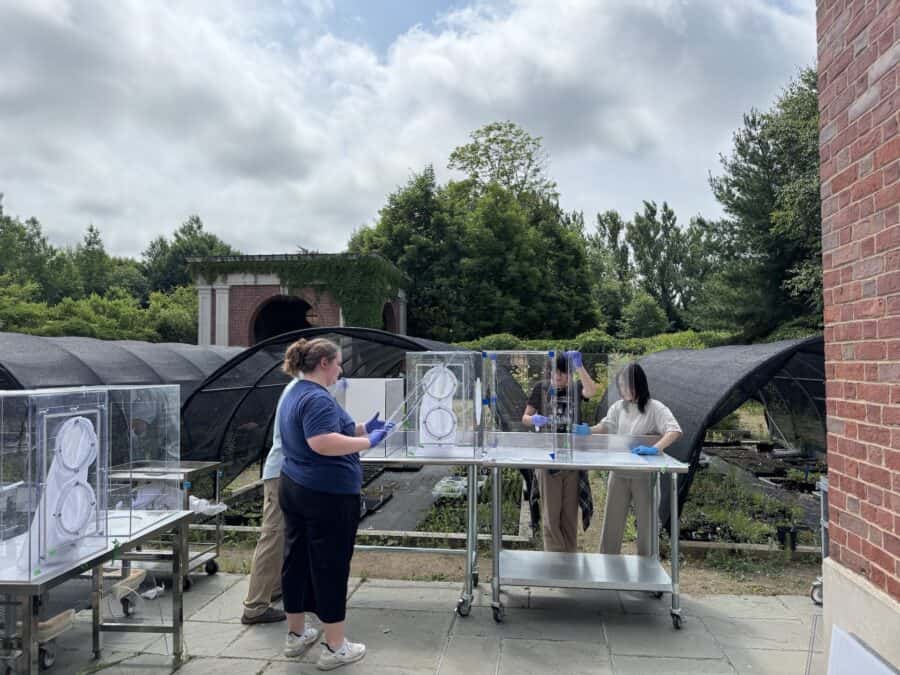
Dr. Hillier’s work will span rigorous host-specificity testing, detailed life-history and phenology studies, and comprehensive evaluation of ecological safety—ensuring that any candidate biological control agent meets the highest standards prior to field release. Beyond HWA, the facility establishes a lasting capacity to respond rapidly to emerging invasive threats affecting forests, agriculture, and natural ecosystems.
Equally important, it serves as a training ground for the next generation of scientists, providing hands-on experience in regulatory-compliant quarantine research and shaping highly qualified personnel equipped to lead Canada’s future in biological control and integrated pest management.
Long term vision
Dr. Hillier’s long-term vision is to restore balance to hemlock ecosystems by establishing a self-sustaining community of natural enemies capable of suppressing HWA at the landscape scale. The goal is not simply to manage an invasive pest, but to secure the long-term persistence of eastern hemlock as a foundational species in Atlantic Canadian forests.
In the long term, a goal will be that facility will evolve into a national hub for biological control innovation – catalyzing collaborative research on invasive species, advancing integrated pest management strategies, and uniting students, regional stakeholders, and national partners. In doing so, it will help rebuild Canada’s capacity for classical biological control and position Acadia and its partners as leaders in safeguarding forest and ecosystem resilience for generations to come.
The K.C. Irving Environmental Science Centre is pleased to house this facility as it contributes meaningfully to protection and preservation of the Wa’pnaki Forest Region.