

 Acadia University
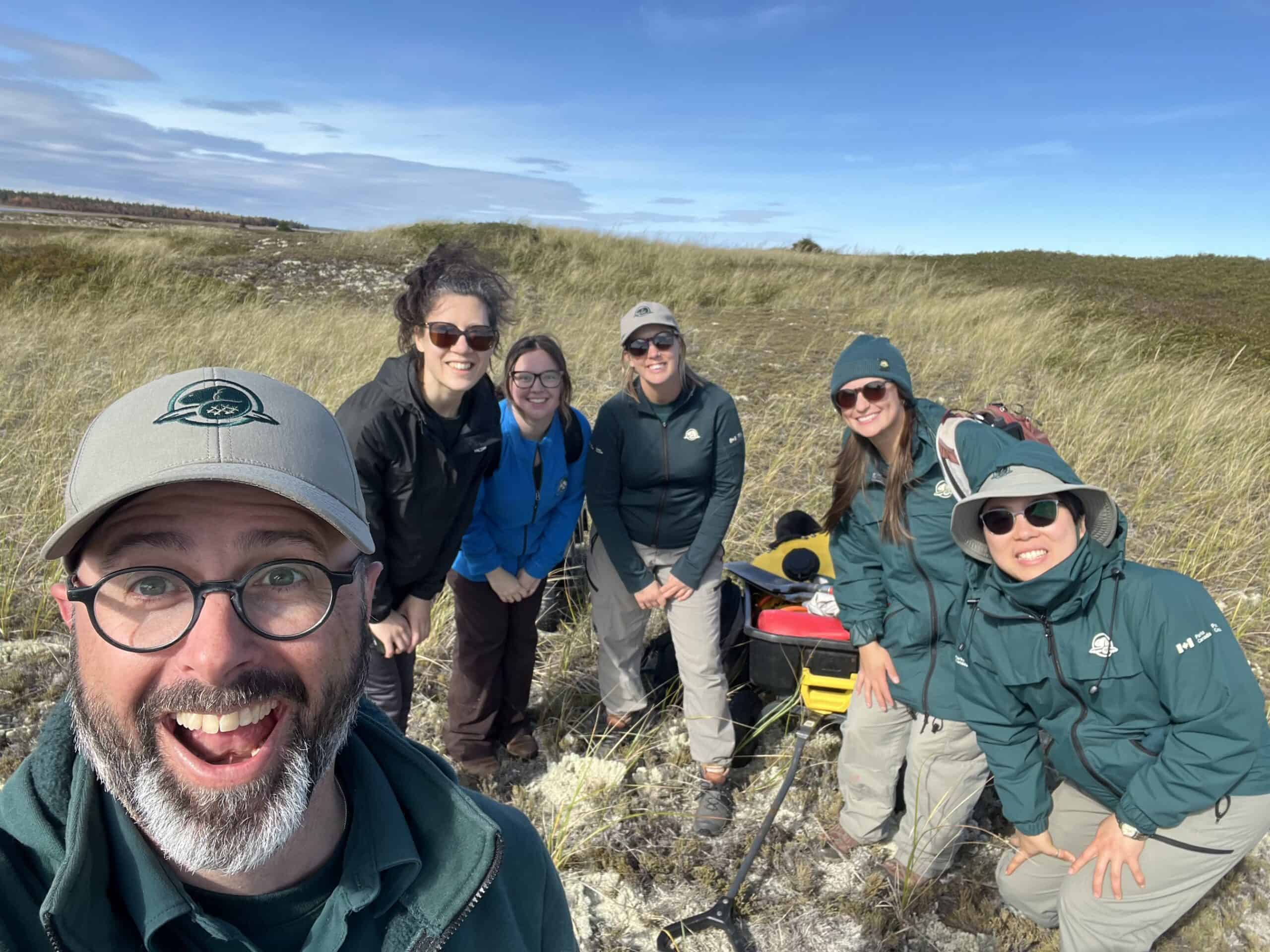
An ongoing partnership between the K.C. Irving Environmental Science Centre and Parks Canada is making strides in conserving the rare Gulf of St. Lawrence beach pinweed (Lechea maritima var. subcylindrica). Earlier this fall, representatives from the K.C. Irving Centre, Kouchibouguac National Park, and Prince Edward Island (PEI) National Park, came together to transplant beach pinweed plants grown from wild-collected seed to experimental sites along the Atlantic Coast.
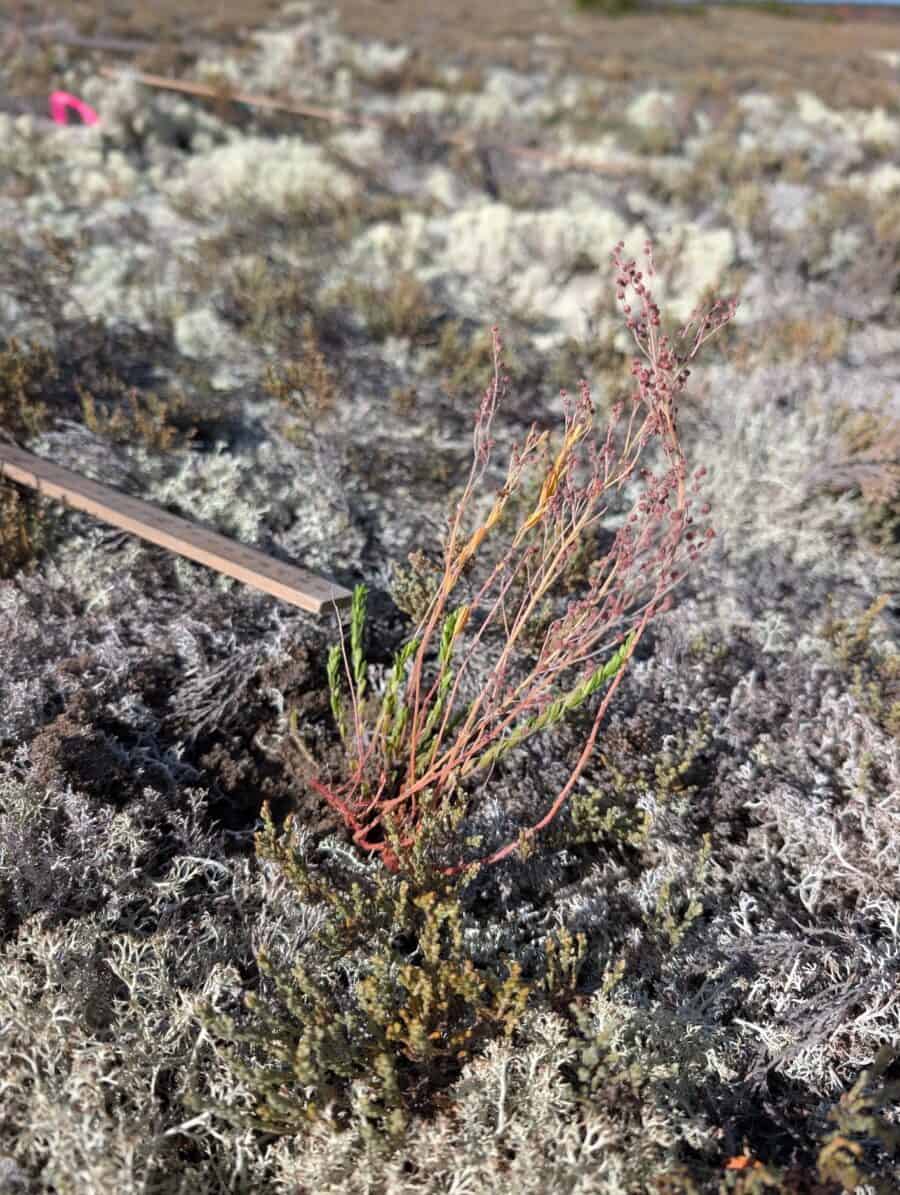
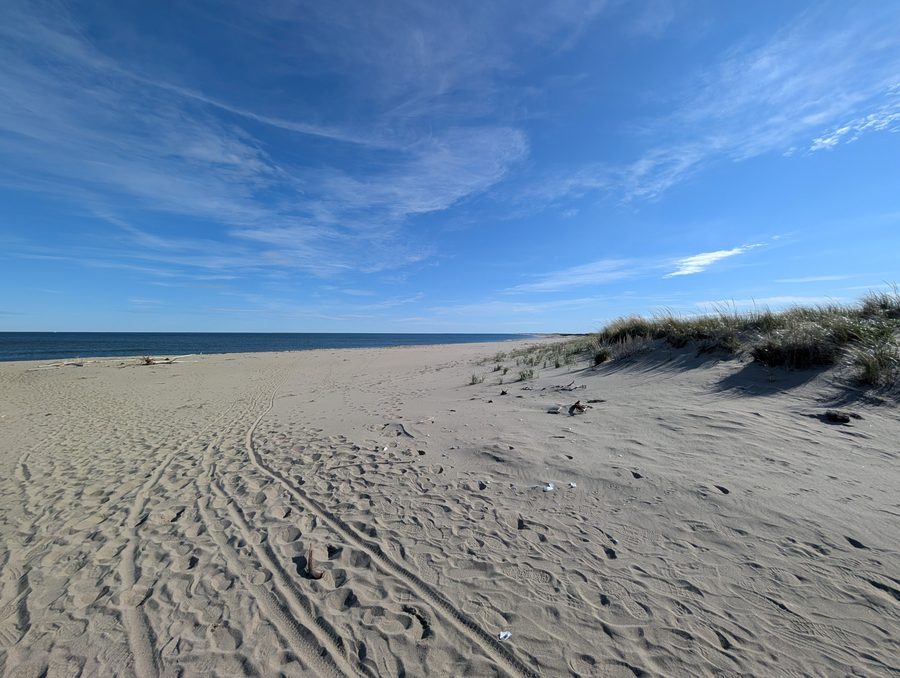
Gulf of St. Lawrence beach pinweed is a small perennial shrub found on stable, protected, coastal dunes. Although beach pinweed is found along the eastern coast as far south as North Carolina, Canadian populations are recognized as a unique, globally rare variety, present only along short stretches of the New Brunswick and PEI coastlines. The limited distribution and specialized habitat of Gulf of St. Lawrence beach pinweed make it vulnerable to population decline as dunes are increasingly impacted by climate change and severe winter storms.
Gulf of St. Lawrence beach pinweed really sits at the frontline of coastal climate change impacts in the Maritimes. It serves as a good indicator of how our largest and most biodiverse coastal dune systems are faring in the face of rapid change. In both NB and PEI, we’ve seen significant population declines and habitat loss over the last two decades – both due to severe storm events.
David Mazerolle, Parks Canada Ecosystem Scientist at Kouchibouguac National Park
Alison Purcell, Research Associate at the K.C. Irving Centre, supported by Environmental Science student and Irving Scholar Kirsten Gallant, processed beach pinweed seeds collected in the fall of 2025 by Parks Canada researchers. A portion of seeds were cleaned, dried, and conserved in long-term cold storage at the Acadia Seed Bank. Germination trials were conducted to determine the best practices to break dormancy and promote high germination success. The germinated seeds established into thriving, mature plants at the K.C. Irving Centre’s greenhouse facilities.
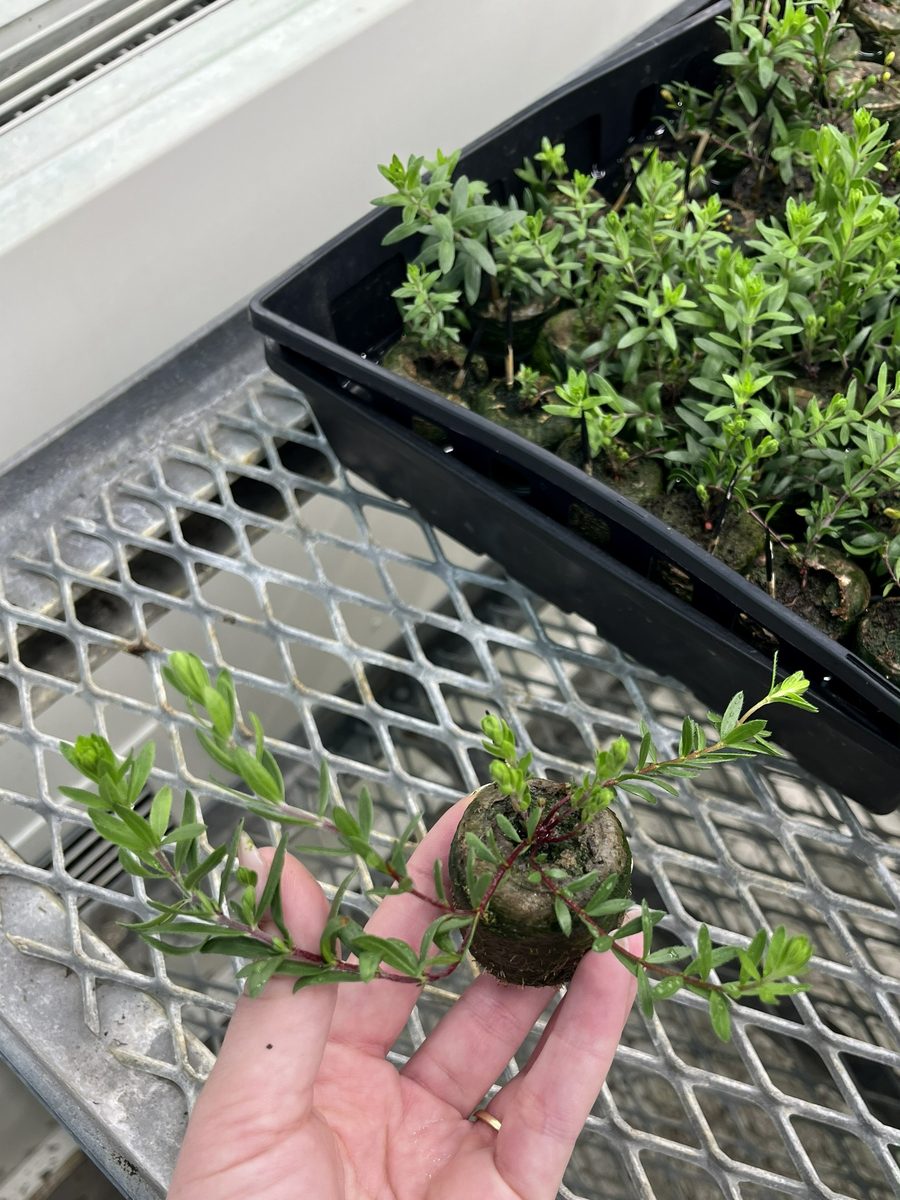
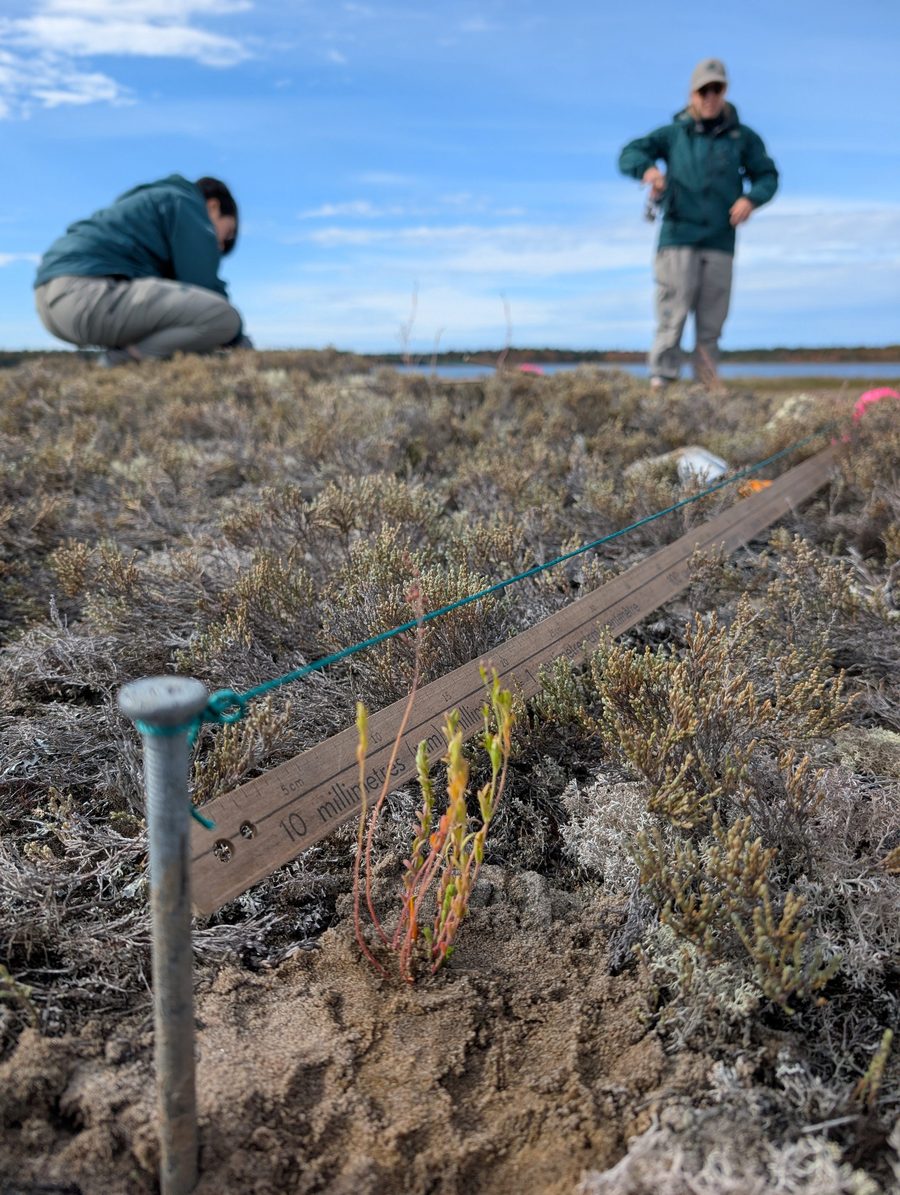
Through seed conservation, research, and propagation, we are helping ensure that this rare species is not only preserved for the future but can be successfully grown and re-established. Seeing these seeds develop into healthy, mature plants that are producing the next generation of seeds is a rewarding outcome of the work.
Alison Purcell, K.C. Irving Environmental Science Centre Research Associate
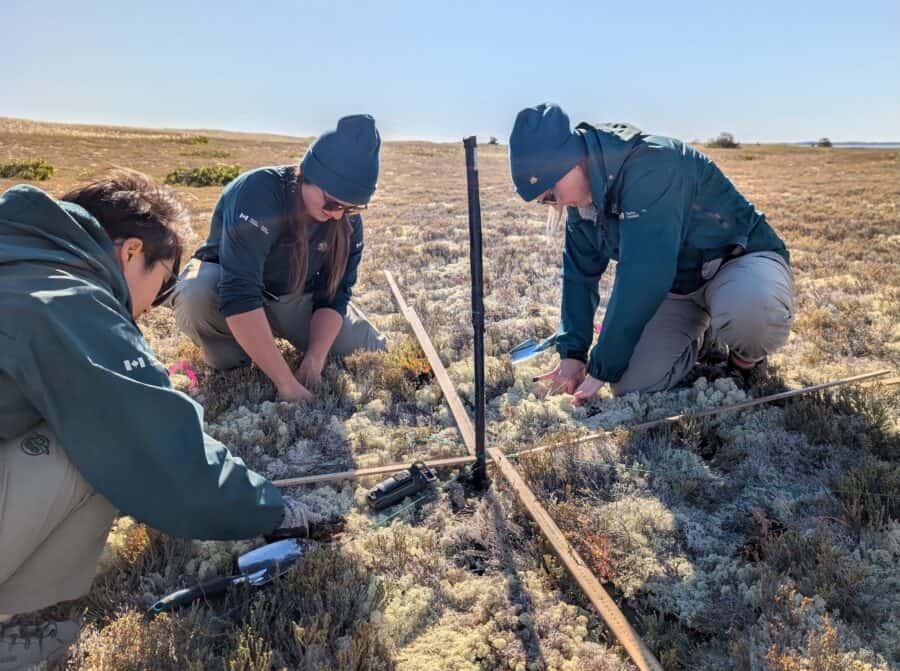
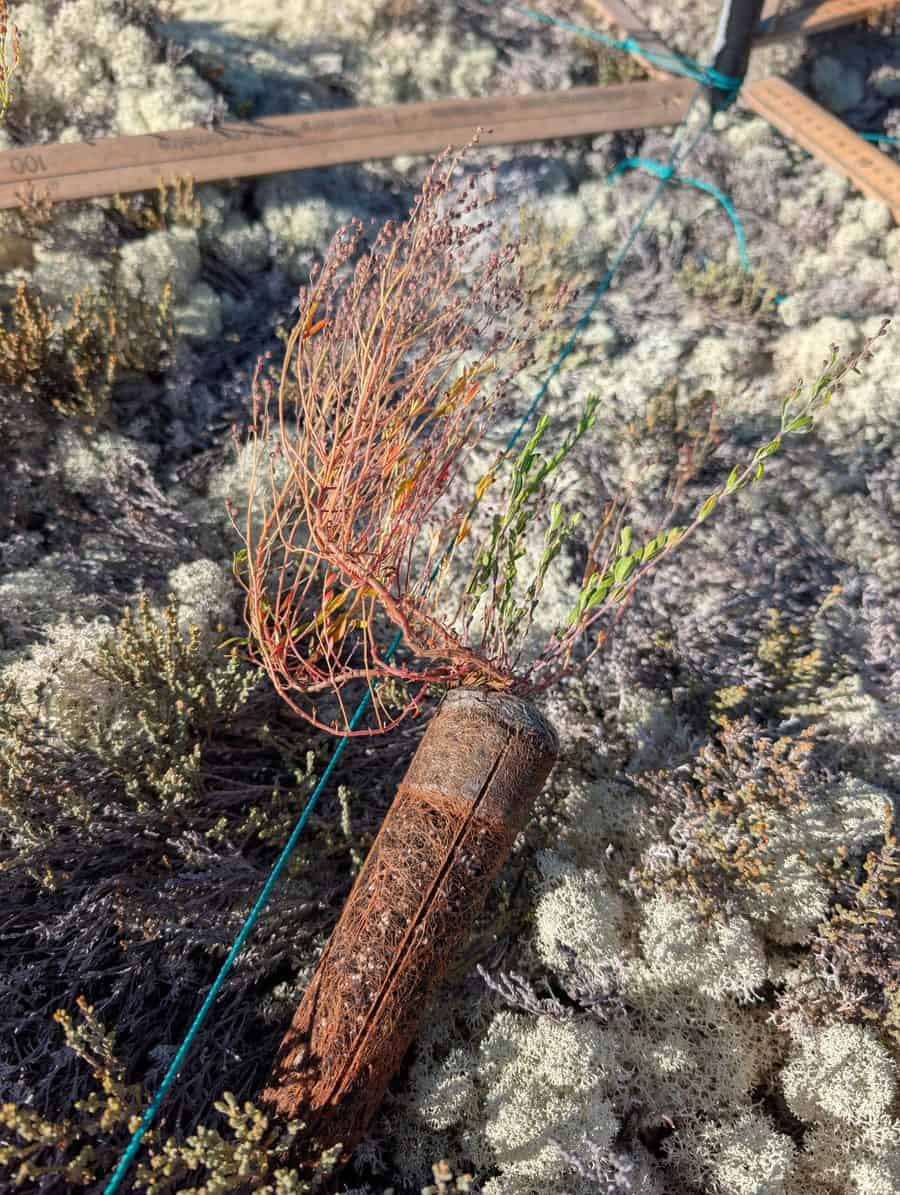
To counteract the effects of disturbances, like storms, that limit natural population dispersal, these plants were then transplanted to experimental, “assisted migration” sites. All sites were within the Gulf of St. Lawrence beach pinweed’s natural population range, both along the east coast of New Brunswick in Kouchibouguac National Park, and on Prince Edward Island’s north shore, within PEI National Park. Three transplanting events were completed throughout the early spring and summer, and again in October 2026, to compare establishment and survival among these dates.
Roughly 85% of the global population of this endemic variety is found on lands co-managed by Parks Canada and Mi’gmaw/Mi’kmaw First Nations. This speaks to our level of stewardship obligation and to the importance of this recovery project.
This conservation work is strongly based on a climate change adaptation approach. It will hopefully give us the means to bolster declining populations and establish new populations in unoccupied habitat – allowing the plant to move along with fast-evolving coastlines increasingly shaped by climate change.
David Mazerolle
Parks Canada and the K.C. Irving Centre continue to collaborate to bank fresh collections of seeds, and to increase plant production for assisted migration efforts in 2027. David Mazerolle, Parks Canada’s Ecosystem Scientist at Kouchibouguac National Park, has been a driving force in this partnership and monitors the experimental sites in New Brunswick. Likewise, Resource Management Officer Lindsey Burke directs transplanting, data collection, and seed collection at PEI National Park.
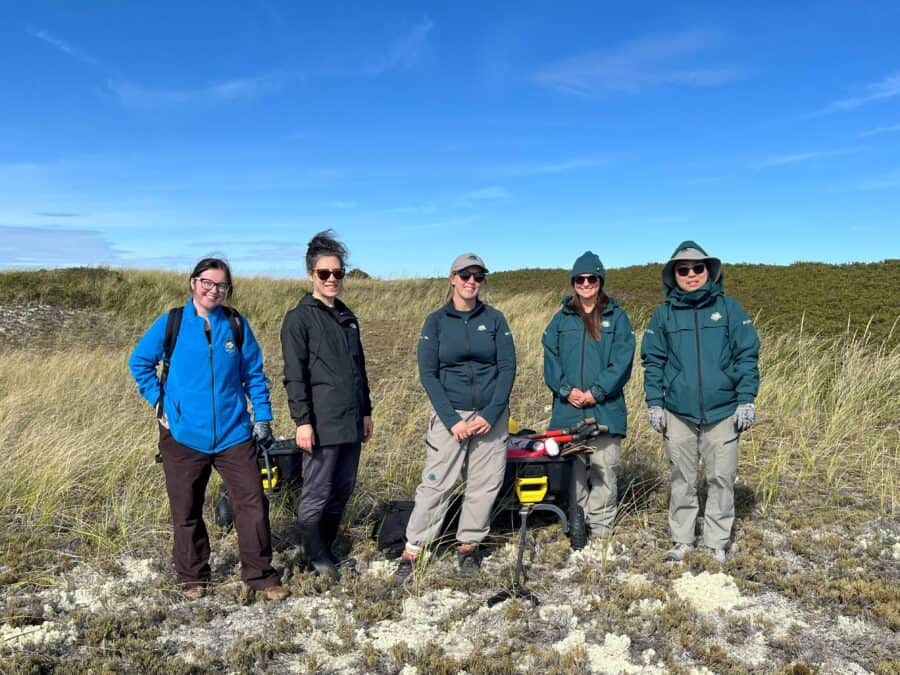
So far, our teams have established an effective protocol to germinate Gulf of St. Lawrence beach pinweed seeds and produce healthy, mature plants, and we have observed successful establishment of plants transplanted to the natural dune system.
Results to date are very promising – in NB, 78% of individuals transplanted in the spring of 2026 survived to the most recent survivorship assessment in mid-October. We’re very eager to see how many survive through their first winter!
David Mazerolle
In PEI we’re seeing slightly lower transplant survival across our sites at about 53% survival overall, however, we remain optimistic and look forward to reassessing the plants in the spring to better understand their longer-term establishment and survival.
Lindsey Burke, Parks Canada Resource Management Officer at PEI National Park
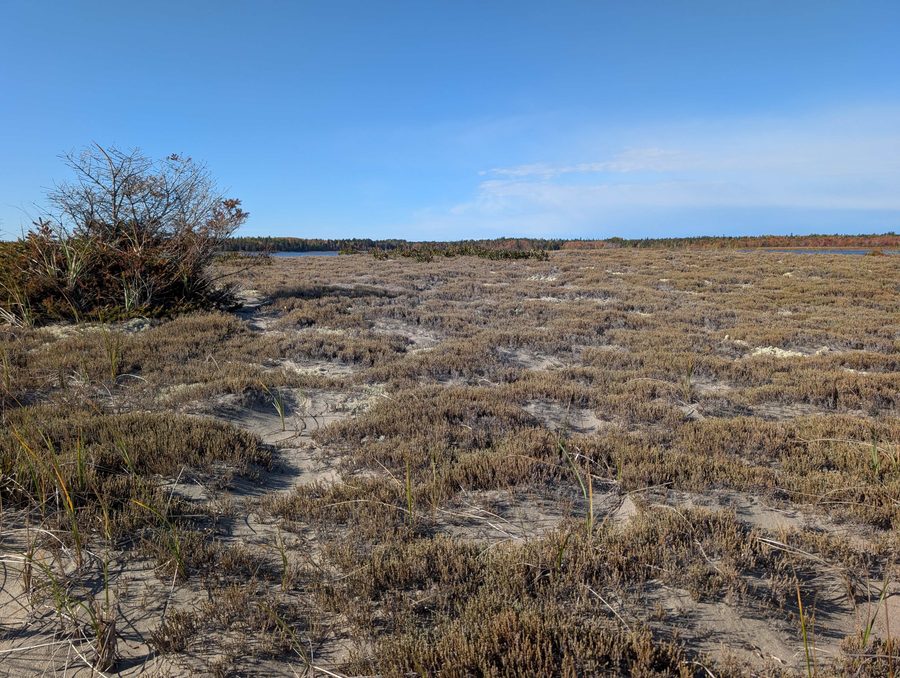
These conservation efforts contribute to the network of projects protecting coastline habitats in Atlantic Canada, to preserve the ecology and beauty of these environments. Check out the Parks Canada pages to learn more about Protecting Species at PEI National Park and explore Conservation Stories at Kouchibouguac National Park.