
 Acadia University
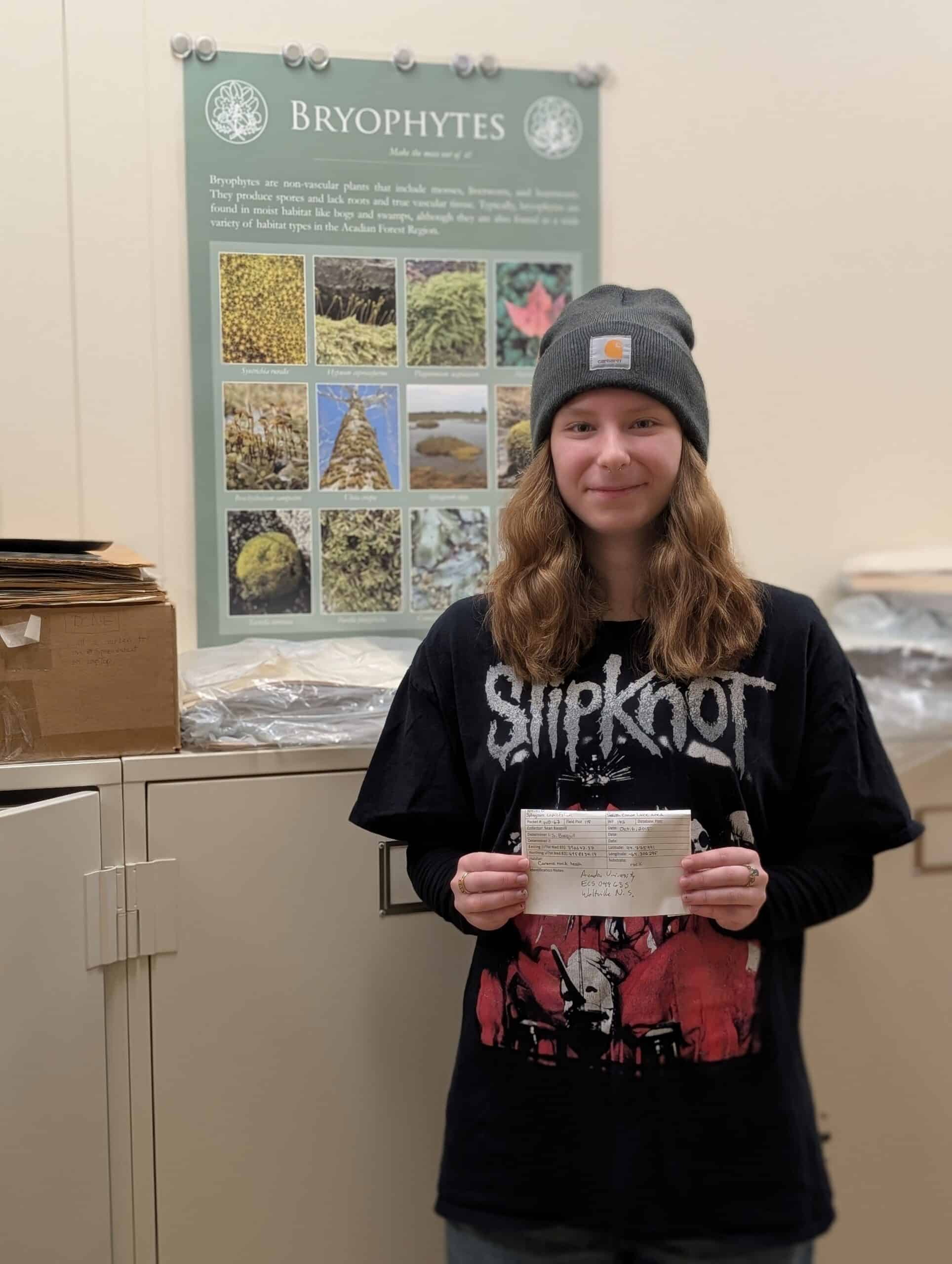
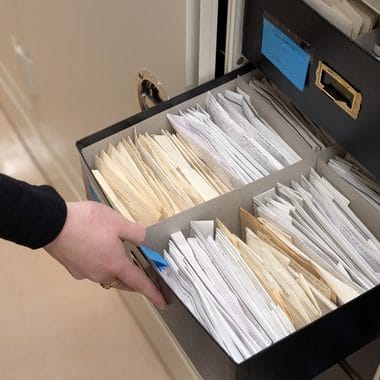
Students and staff are on a roll in the E.C. Smith Herbarium! This fall, a reorganization effort was completed to properly integrate over 5000 bryophyte specimens into the Herbarium, which is part of the Irving Biodiversity Collection at Acadia University. Students Mason Crouse, Sydnee Brown, and Emma Cook worked to assess and update the organization of specimens collected prior to 2019, and to ensure that all specimens collected since were added using a consistent system. This achievement follows last year’s inventory of nearly 7000 Vaccinium (blueberry) specimens into the Herbarium.
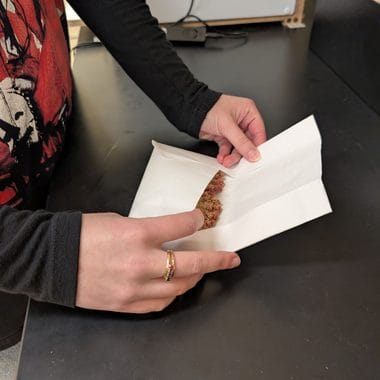
The term “bryophyte” encompasses three groups of non-vascular land plants, meaning that the plants have no roots, and no true vascular tissues to transport water and nutrients. These groups are the liverworts, hornworts, and likely the most familiar of the three, mosses. All are typically no more than a few centimetres tall, and usually prefer damp, shady environments. Bryophytes species are often cryptic, or difficult to tell apart, and draw less research attention compared to larger, showier, vascular plants.
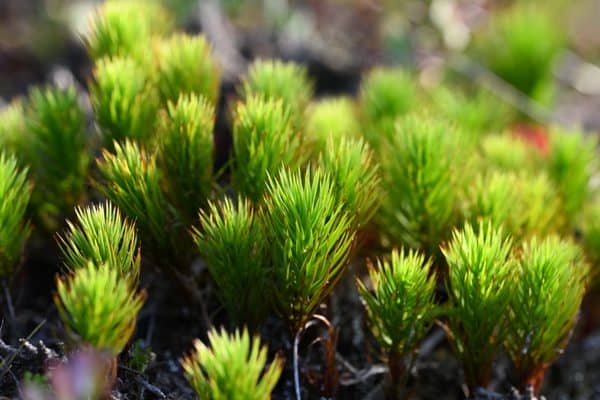
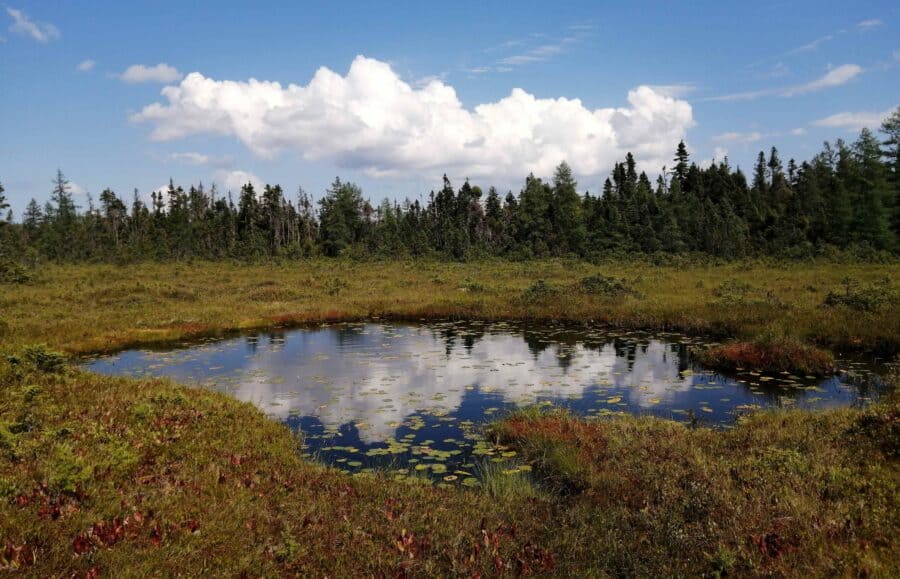
Despite this, bryophytes are vital components of their environments and perform valuable ecosystem functions. They are often the first species to colonize bare substrates, absorbing water and nutrients from the air and slowly contributing to soil formation. They can also act as a carbon sink: sphagnum moss contributes significantly to the carbon sequestration of bogs, helping to mitigate climate change. In all, the Acadian Forest Region is home to over 1000 species of bryophytes, and there is still lots of learn about the roles that they play in our local environments.
The E.C. Smith Herbarium bryophyte collection includes numerous donations from several outstanding individuals. Tom Neily, a long-time employee of the Mersey Tobeatic Research Institute, contributed well over 1000 bryophyte specimens. Sadly, Tom passed away earlier in 2026, but his knowledge and his contributions live on in the people he helped and the collections he so carefully curated. Along with Margaret S. Brown, Tom provided the most bryophytes to our collection.
The size and diversity of our bryophyte collection supports a wide range of research projects. Data from the E.C. Smith Herbarium are regularly accessed by researchers worldwide via the Global Biodiversity Information Facility online network (gbif.org). A recent publication exploring pairwise species associations within epiphytic bryophytes and factors of climate, taxonomy, and geographic scale demonstrates how bryophyte data from the E.C. Smith Herbarium contributes to international ecological research (Hurtado et al., 2025).
Stay tuned, as students Mason and Sydnee continue to work in the Herbarium as Research Assistants and are now working on updates to the collection of lichens. Mason is also completing an Honours project investigating the diversity of post-fire fungi in recent Nova Scotia wildfires, while Sydnee’s Honours project evaluates the potential for lichens in Nova Scotia to serve as passive bioindicators to assess ecosystem health based on the accumulation of contaminants.
The reorganization of our bryophyte collection has greatly increased by familiarity with many different bryophyte species and has shown me the broad range of diversity in bryophytes we have in Wabanaki/Acadia Forest Region. I was happy to contribute to this task, as an important part of any collection in the herbarium is to make sure things are organized. Having the collections filed in a consistent manner makes smaller collections and specimens easier to find and supports the use of these specimens in future research. This work, alongside my duties with processing collections and leading volunteer sessions, is so fulfilling and aligns with my passion for conservation by preserving the biodiversity of Wabanaki/Acadia Forest Region.
Sydnee Brown