
 Acadia University
Monthly Bee Walks at the Harriet Irving Botanical Gardens
Join us at the Harriet Irving Botanical Gardens to learn about the fascinating lives of native bees!
Bee Walk Dates:
- Saturday May 23, 12:00-2:00 pm
- Saturday July 4, 10:00-12:00pm
- Saturday August 15, 10:00am- 12:00pm
- Saturday September 12, 12:00-2:00 pm
Rain dates for all events are the following Sunday
Space is limited, please secure your spot by sending us an email at: kcirvingcentre@acadiau.ca or calling us at: (902) 585-1917. Pay what you can by donation.
These event offerings build on a successful series of bee walks last year, each event was sold out!
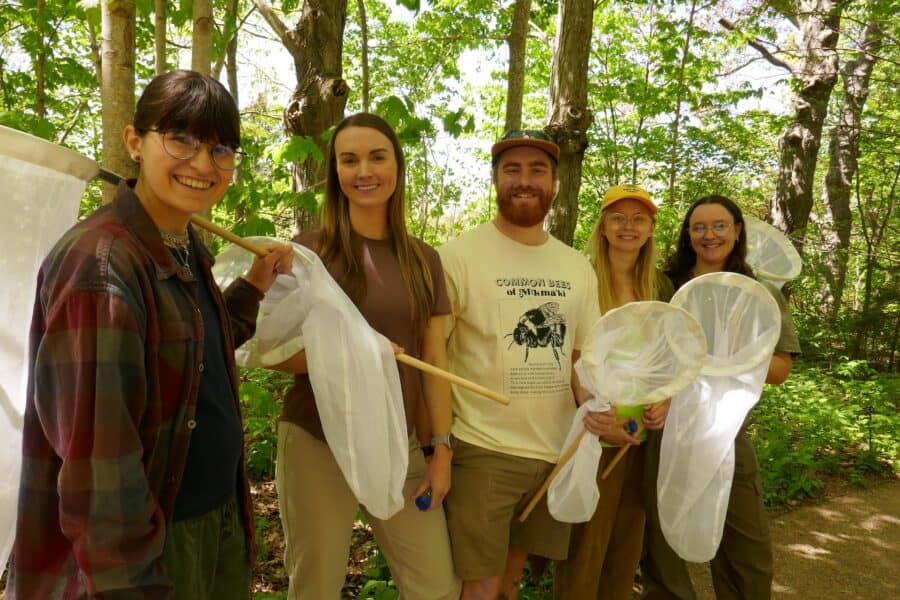
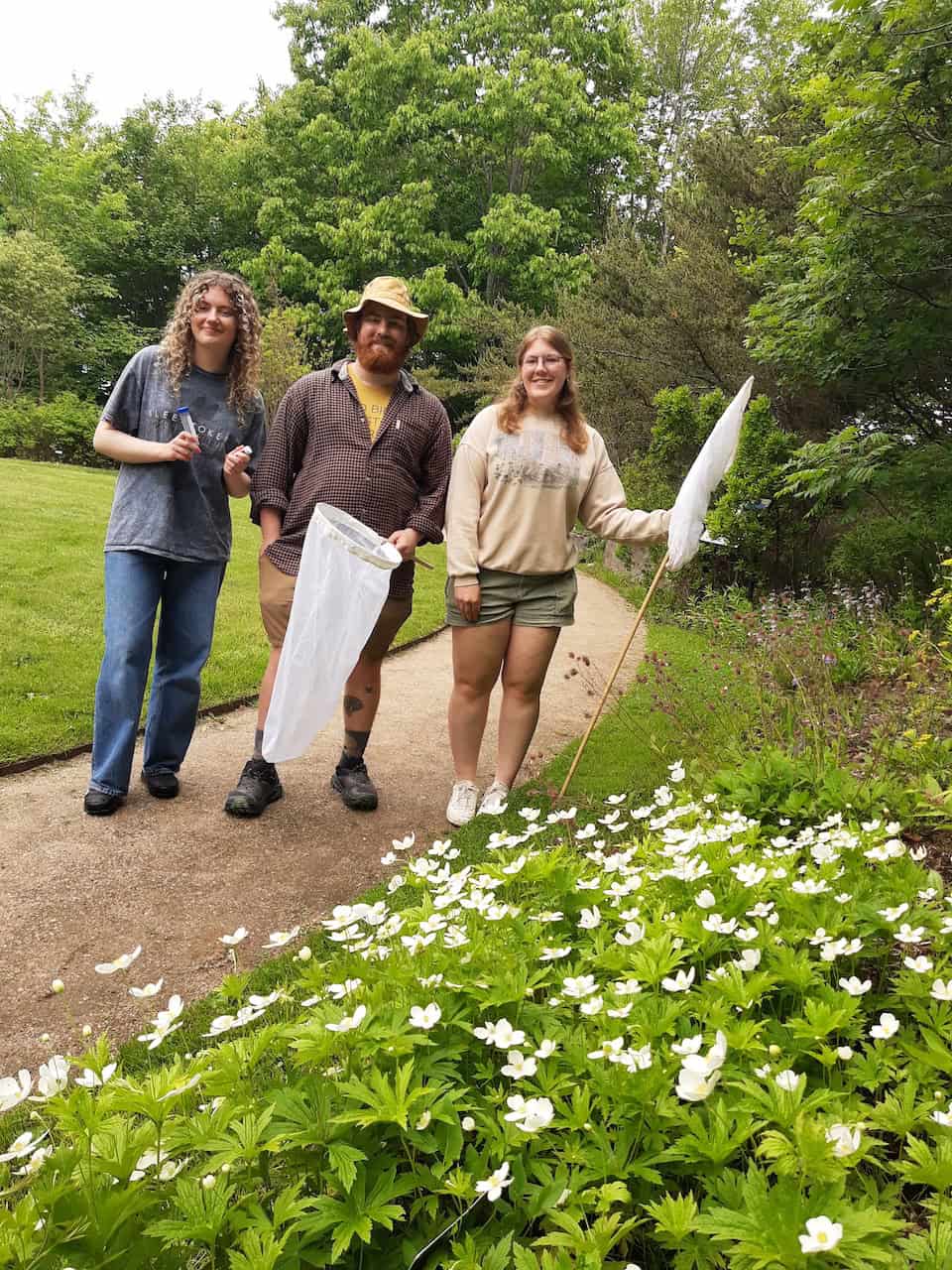
Join our accomplished research team to learn how to catch and identify native bee species and discover the hidden world of bee diversity. The guides are Terrell Roulston, Research Associate in Acadia University’s Biology Department; Jane Vurdela, Graduate Student in Acadia University’s Biology Department; Emily McLean, Graduate Student at Dalhousie University; and Carys McMurray, Graduate Student in Acadia University’s Biology Department.
Walks begin at the main entrance of the Harriet Irving Botanical Gardens (pavilion facing University Avenue) at 32 University Avenue on the Acadia University campus.
Accessible parking is available on Crowell Dr, across from the K.C. Irving Environmental Science Centre, and accessible washrooms are available in the Irving Centre. The speed and route of the walk will be adjusted to participants. Expect gentle hills and wheelchair accessible finely compacted gravel pathways. Benches are present throughout the Harriet Irving Botanical Gardens, and you will be encouraged to use them to soak up the beauty of the space.
Meet the experts
Terrell Roulston
Research Associate, Acadia University Department of Biology
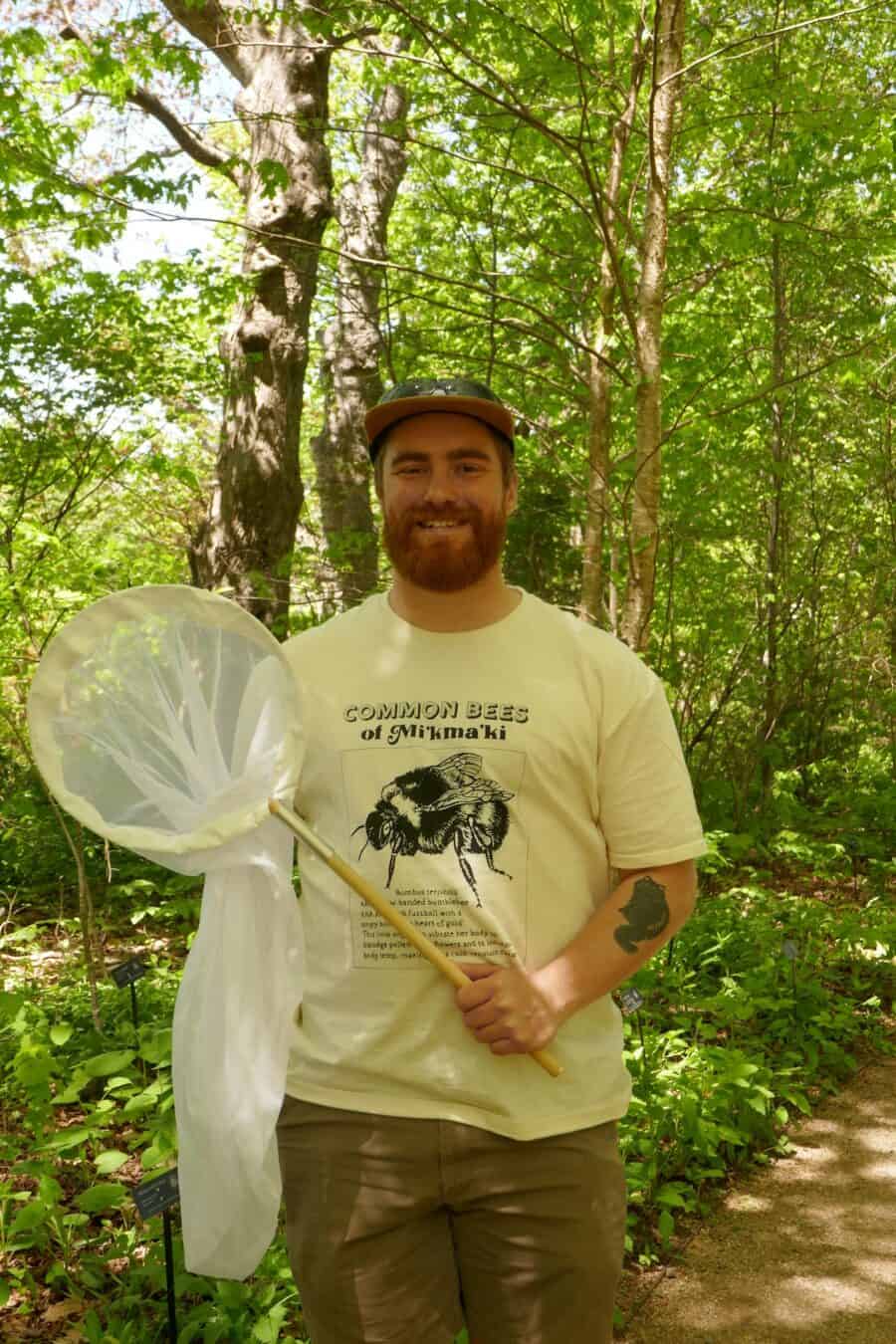
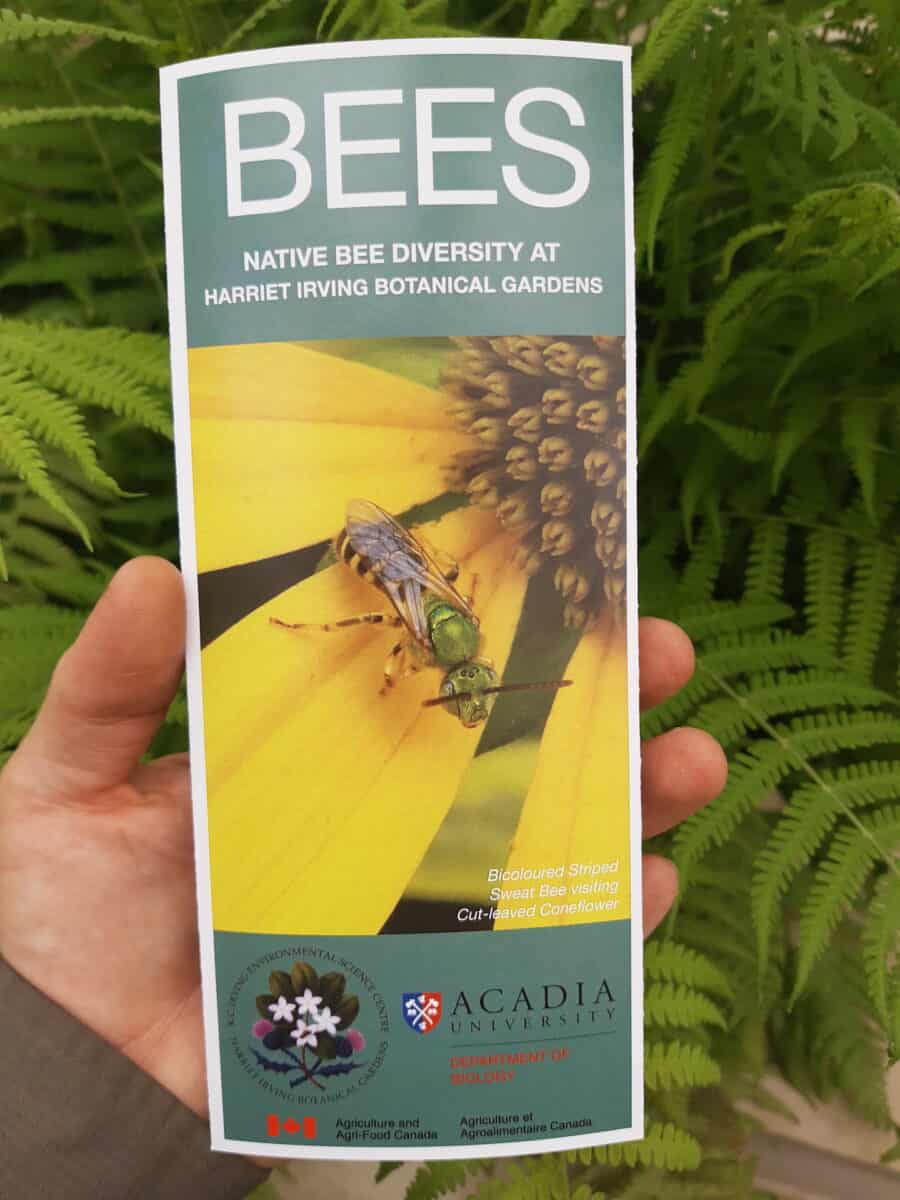
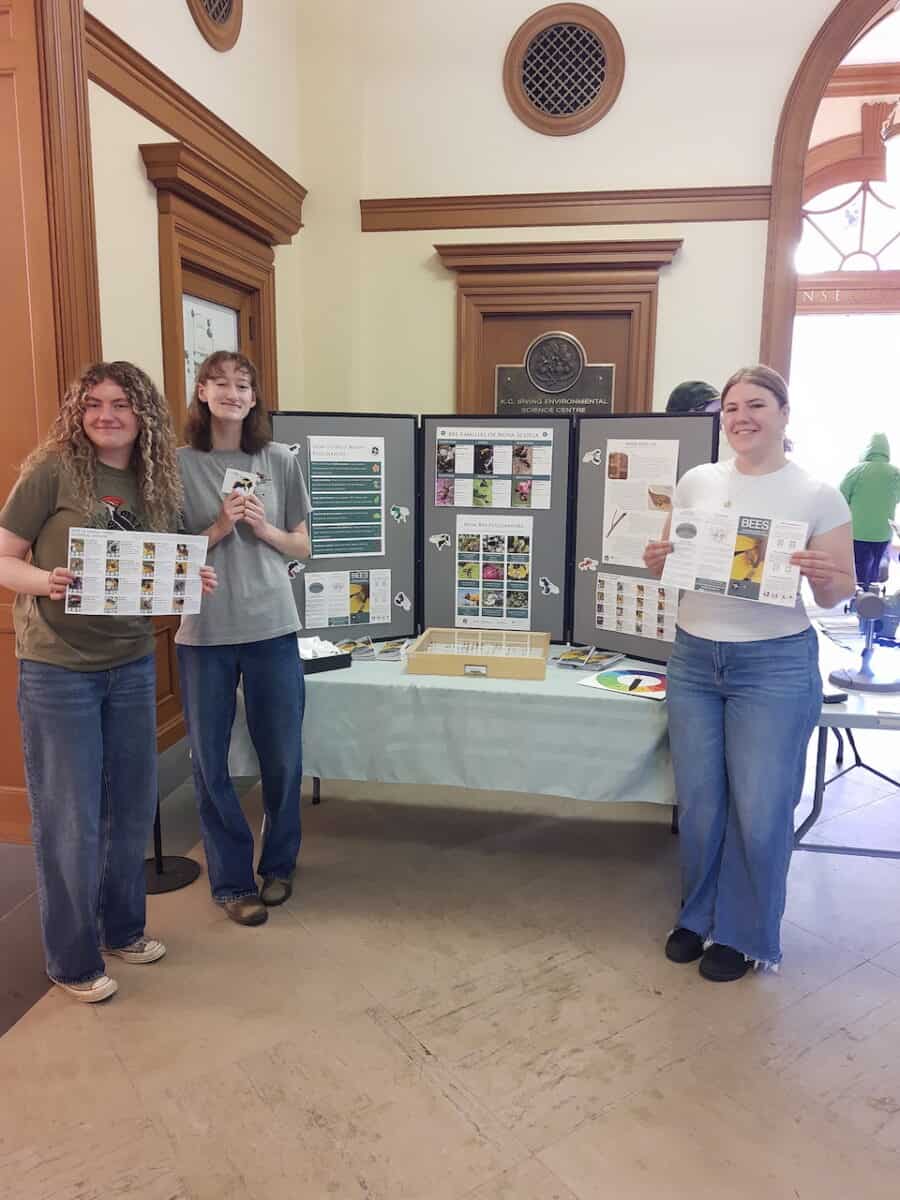
With an academic background in plant-pollinator community ecology from Saint Mary’s University (BSc Hons) and the University of British Columbia (MSc), Terrell has contributed to pollinator education and outreach through guest lectures at Acadia University (BIOL3243, BIOL4423), as well as many other outreach events at the UBC Botanical Garden. He launched the Harriet Irving Botanical Garden Native Bee Brochure at this year’s Native Plant Sale, and he is partnering with Acadia University students to lead bee walks this summer.
Jane Vurdela
MSc of Biology at Acadia University
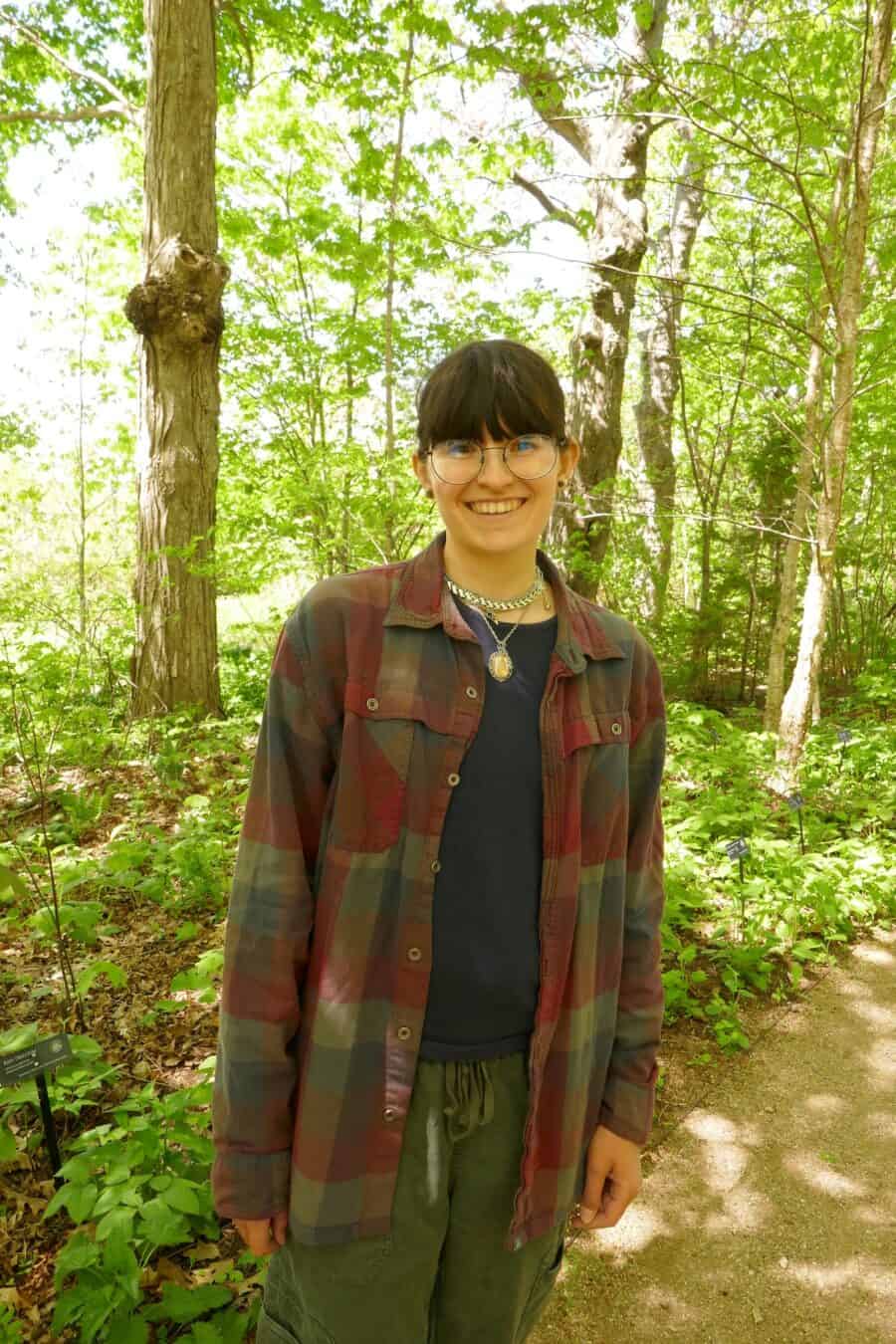
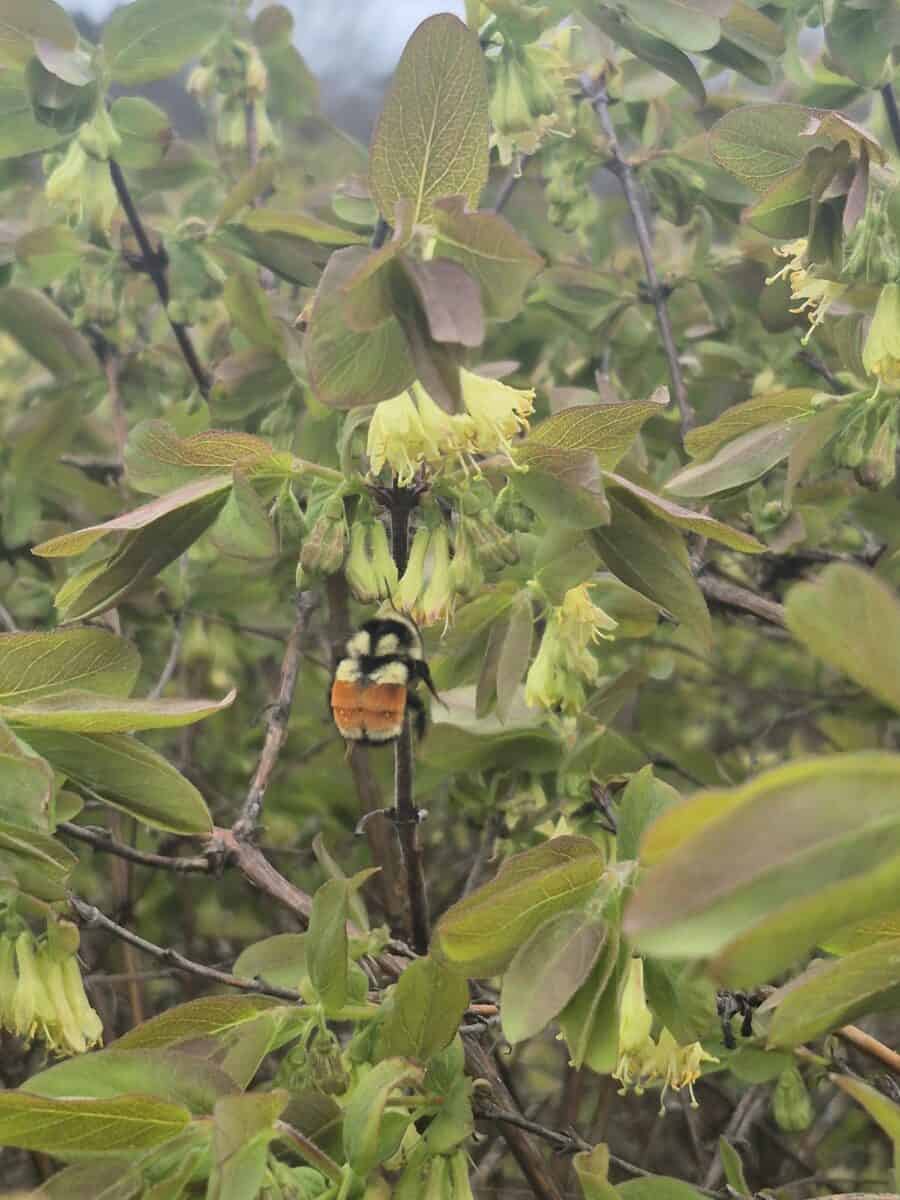
Through her masters at Acadia in Dr. Kirk Hiller’s chemical ecology and sensory physiology lab, Jane’s research focuses on the effects of the insecticides used to control Hemlock Woolly Adelgid on bumble bees. In the field, she is investigating how these insecticides impact bumble bee abundance and species diversity in treated and untreated sites. In the lab, she is investigating how these insecticides effect bumble bee learning and memory and possible preference for these insecticides.
Jane mentions “Through community outreach, I wish to spark love for vital, but often under appreciated, species of bees.’’
Emily McLean
Graduate Student, Dalhousie University School for Resource and Environmental Studies
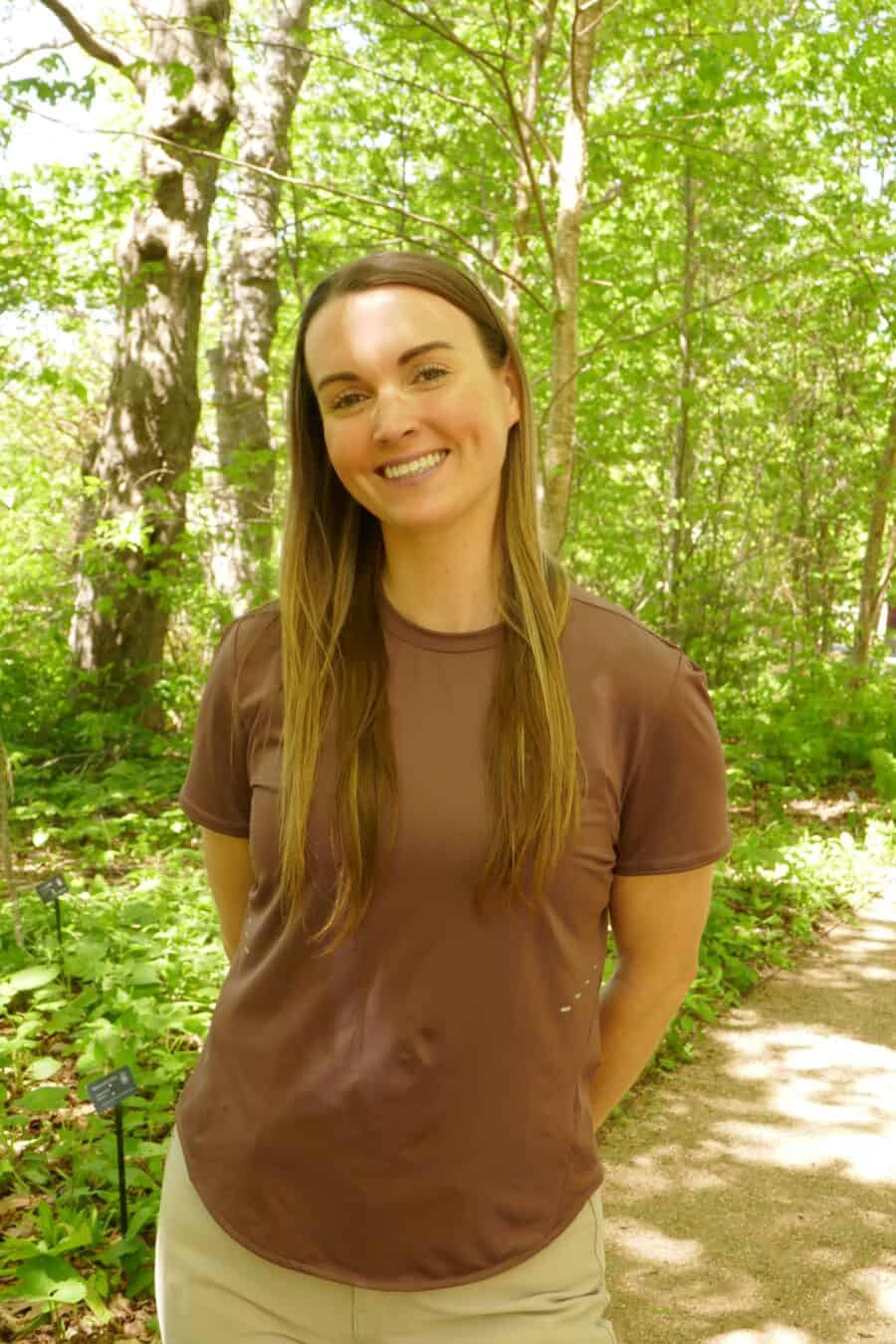
Through her Master of Environmental Studies at Dalhousie, Emily is studying honey as a bioindicator of environmental health. Analyzing honey samples across Nova Scotia, she works towards spatial mapping to assess patterns of potential environmental pollution.
Although her current research focuses on honey, her interest has long been in native wild bee species. During her BSc Honours in Biology at Dalhousie she studied bumble bee foraging preferences. Afterwards she spent a summer on Sable Island studying the endemic Sable Island sweat bee. She has also helped create naturalized pollinator spaces on Dalhousie campus, and lead the initiative to both Halifax and Dalhousie gaining Bee City and Bee Campus designations, respectively, through Bee City Canada. Overall, Emily enjoys being apart of community outreach to interact with the public on all things pollinators, especially our native bees.”
Carys McMurray
Graduate Student, Acadia University Department of Biology
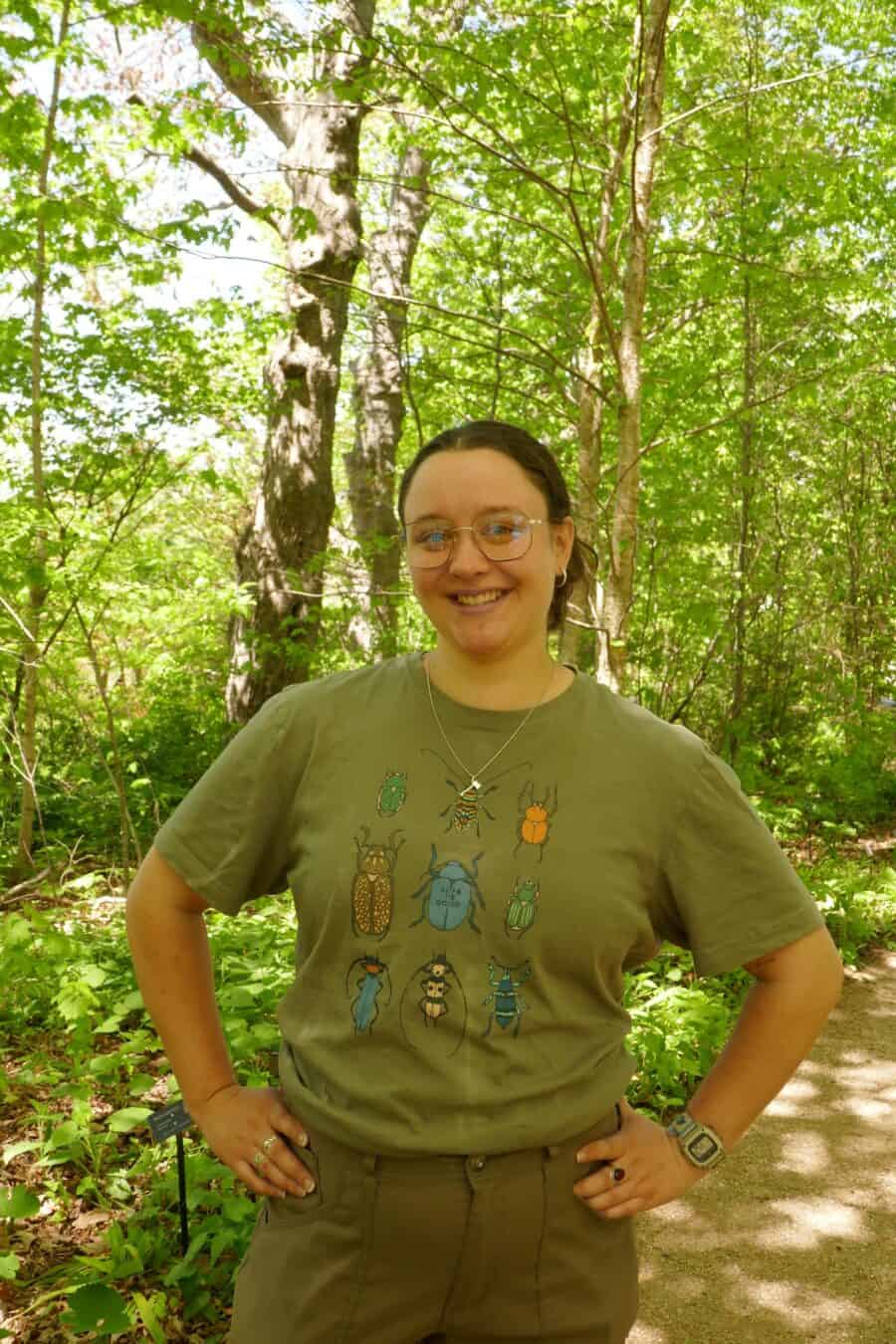
Carys is conducting her masters research in Dr. Kirk Hillier’s lab, investigating the effects of insecticides used to treat hemlock woolly adelgid infestations on native insect biodiversity. Through collection of forest insects and chemical analysis of insect samples, her research aims to better understand how insecticide use and HWA-related forest change are effecting forest insect communities. Carys is passionate about science communication and community outreach, especially when it relates to insects, and through the bee walks she hopes to help dispel fear and foster an appreciation for all insects.
Sarah Postuma
Graduate Student, Acadia University Department of Biology
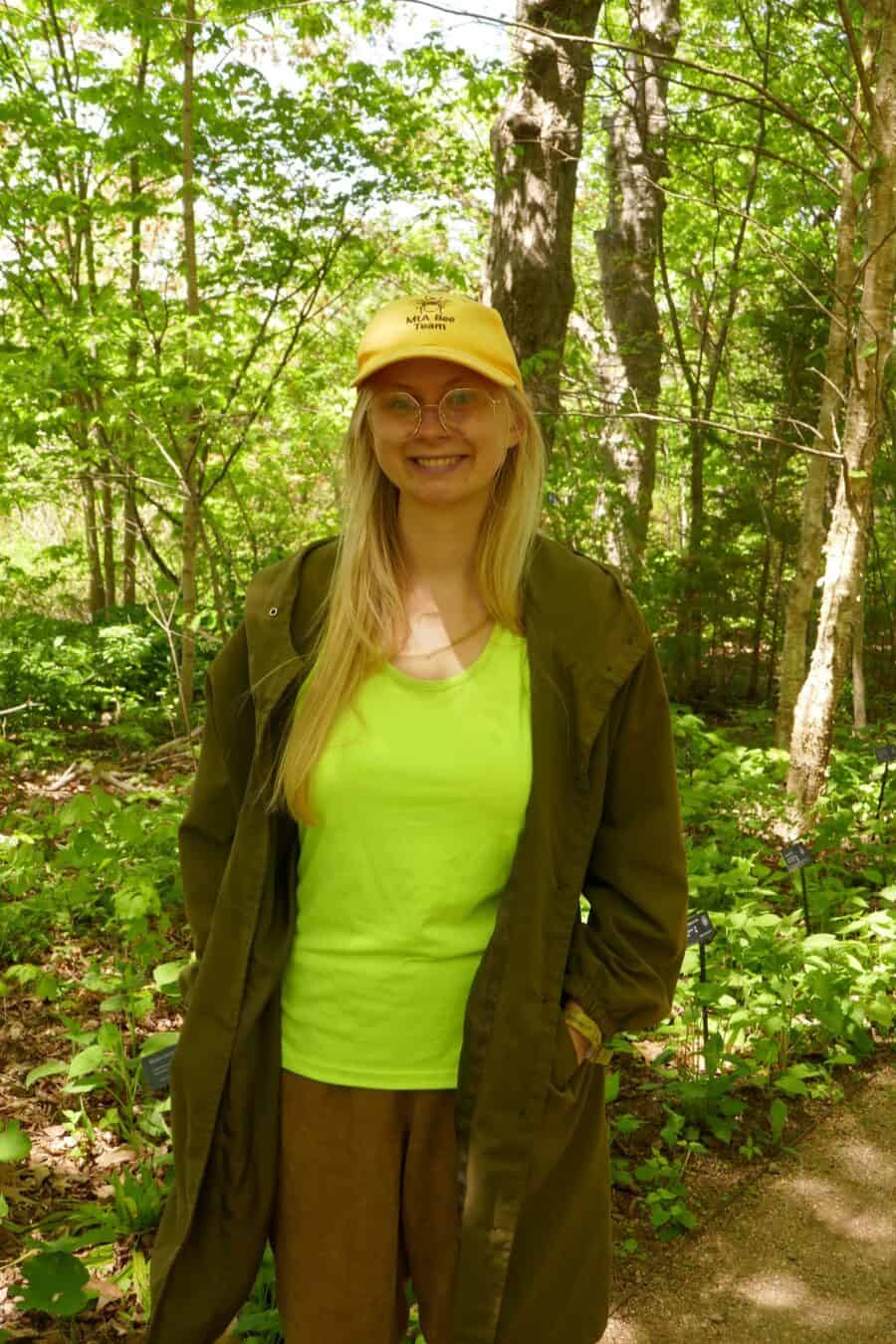
Sarah is a Master’s student at Acadia focusing on native plant conservation in the Canadian High Arctic as a member of Dr. Zoe Panchen’s lab. Her research aims to determine how increasing rainfall may impact plant communities long-term. She was previously part of Dr. Austen’s plants and pollinators lab at Mount Allison University, where she learned about native bees and discovered her love for the cute and often (but not always) fuzzy critters. She strongly believes that everyone can help conserve the native species on our doorstep, and that man small changes can altogether create action.
Make sure to secure your space in a Bee Walk today!