
 Acadia University
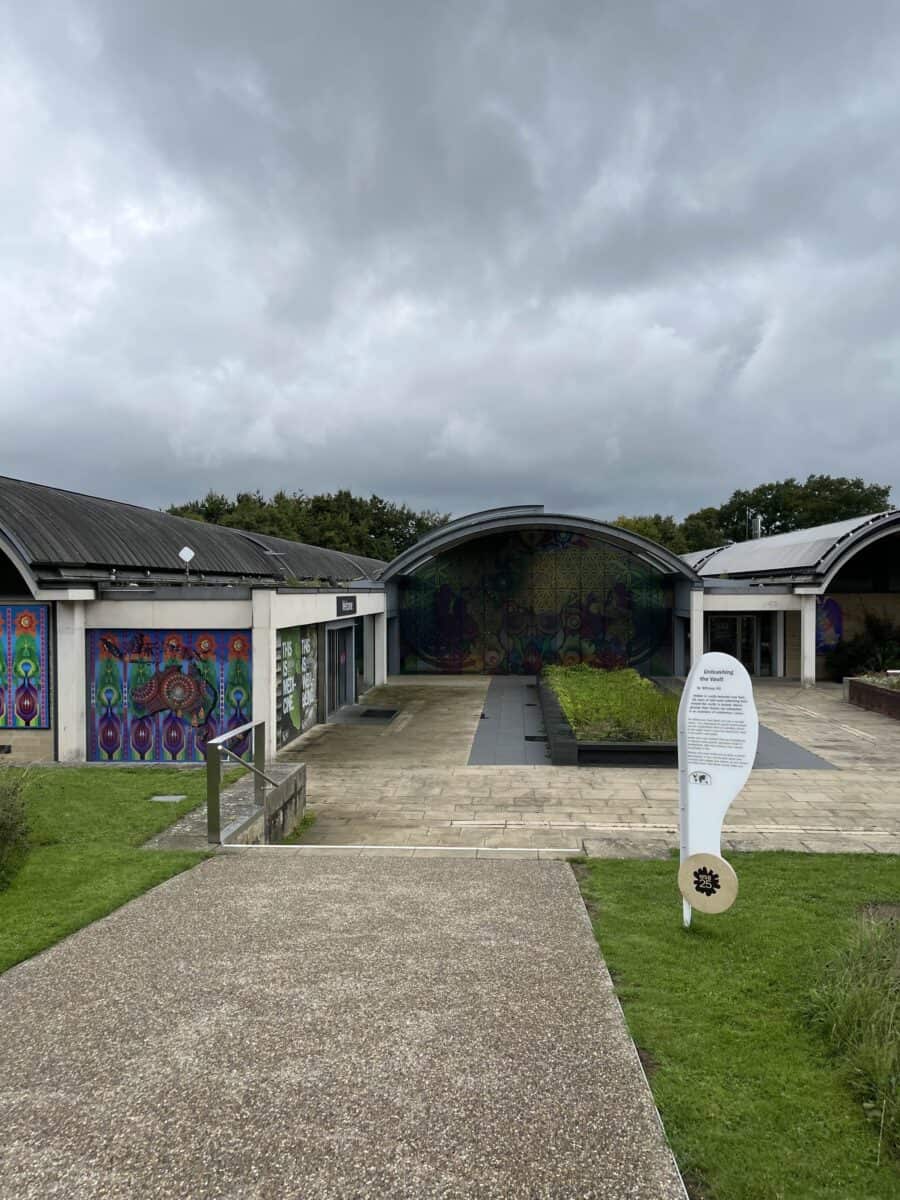
A recent visit to the Millennium Seed Bank in Wakehurst, United Kingdom, offered the K.C. Irving Environmental Science Centre valuable insights into global seed conservation practices.
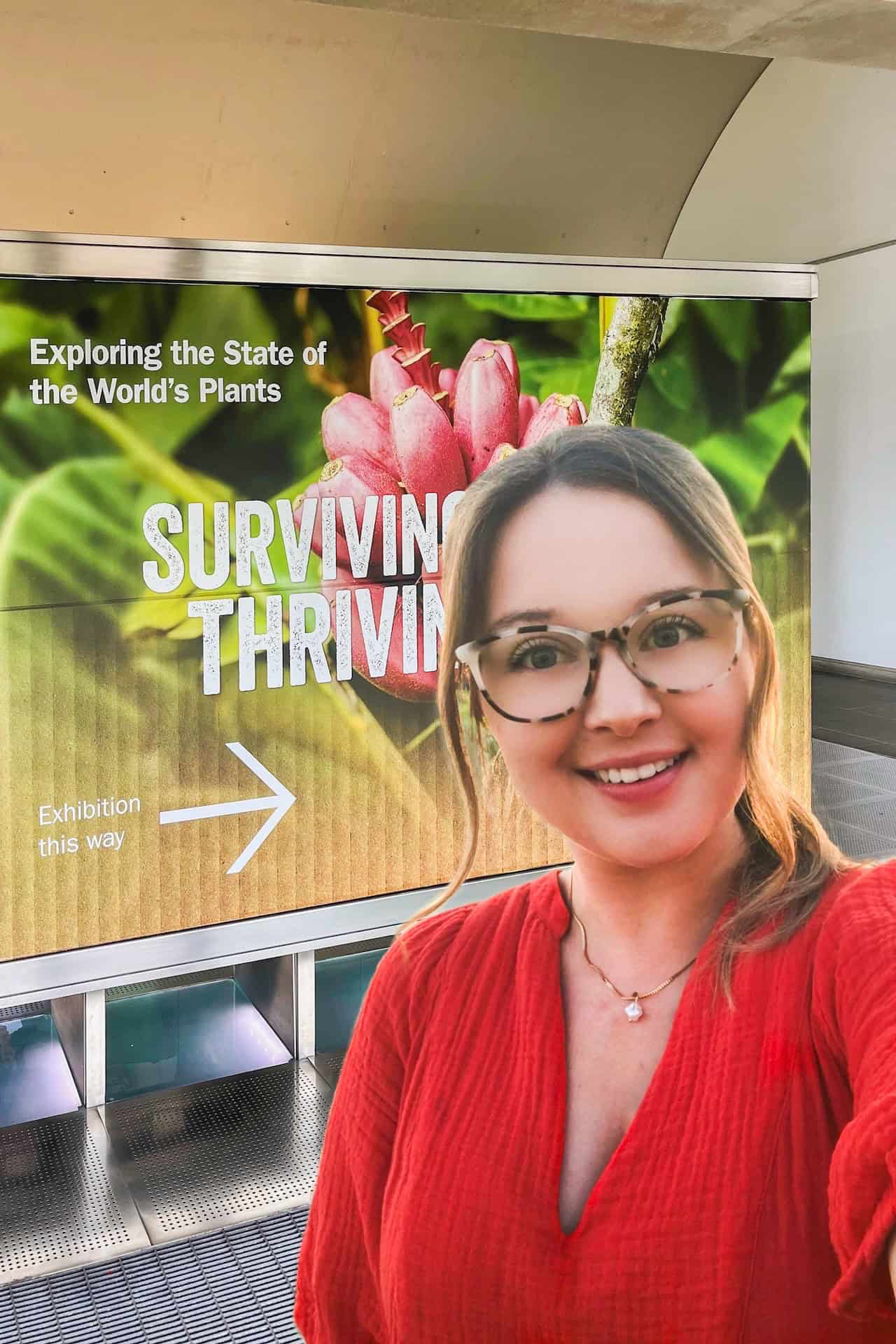
Our research associate Alison Purcell had the opportunity to visit the Millennium Seed Bank, part of Kew Gardens, and known as the global leader in seed banking of native plant species. At the Irving Centre, Alison works in our seed bank and tissue culture facility, helping to strengthen and grow our program.
A seed bank is a repository of frozen seed intended to conserve the genetic diversity of banked tissue in perpetuity.
Millennium Seed Bank: Behind the Scenes
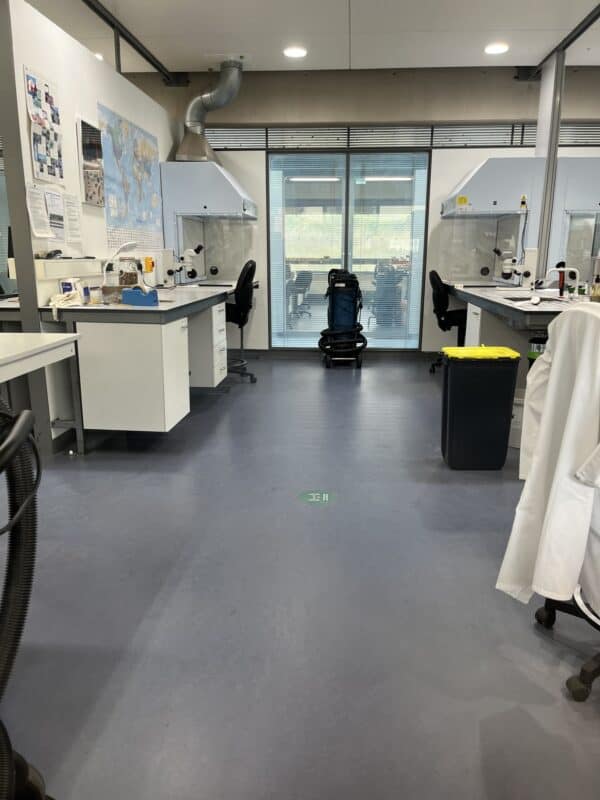
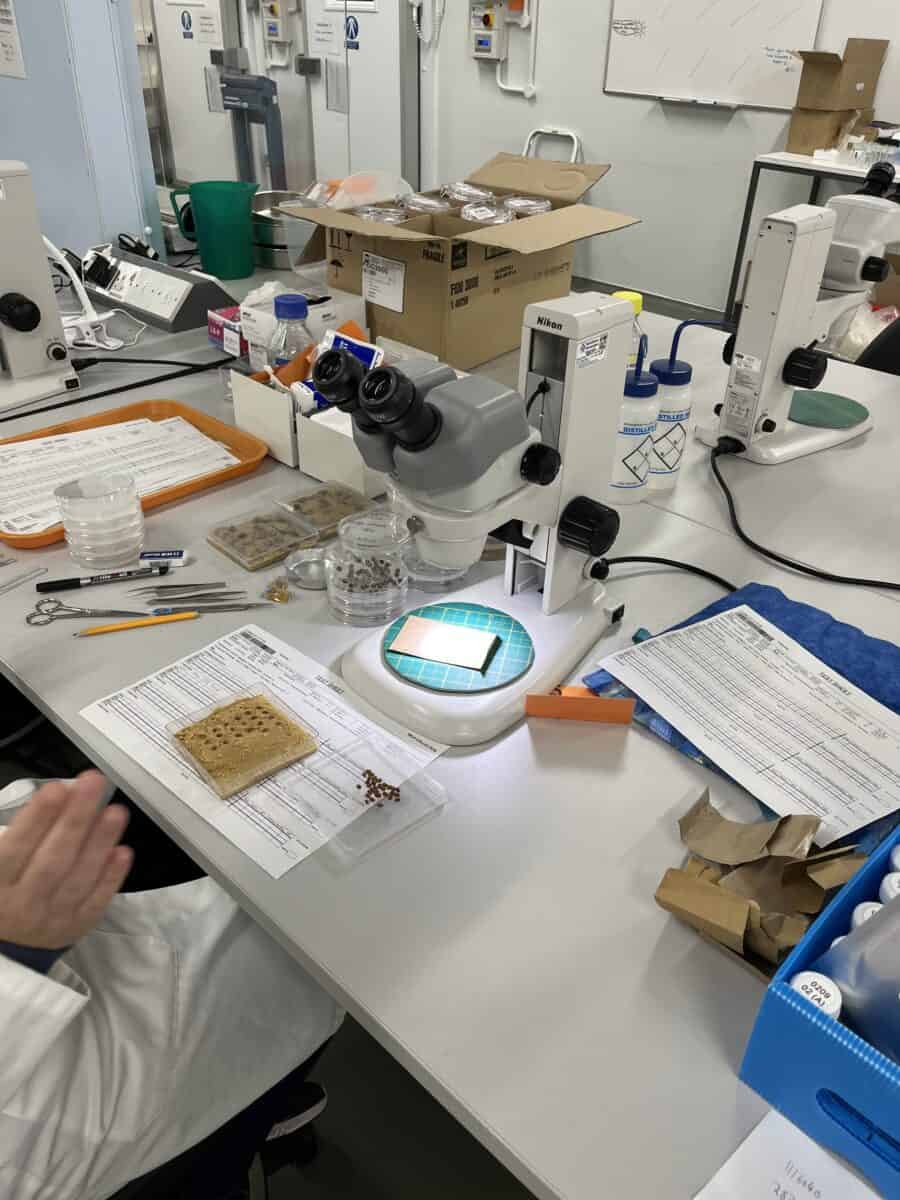
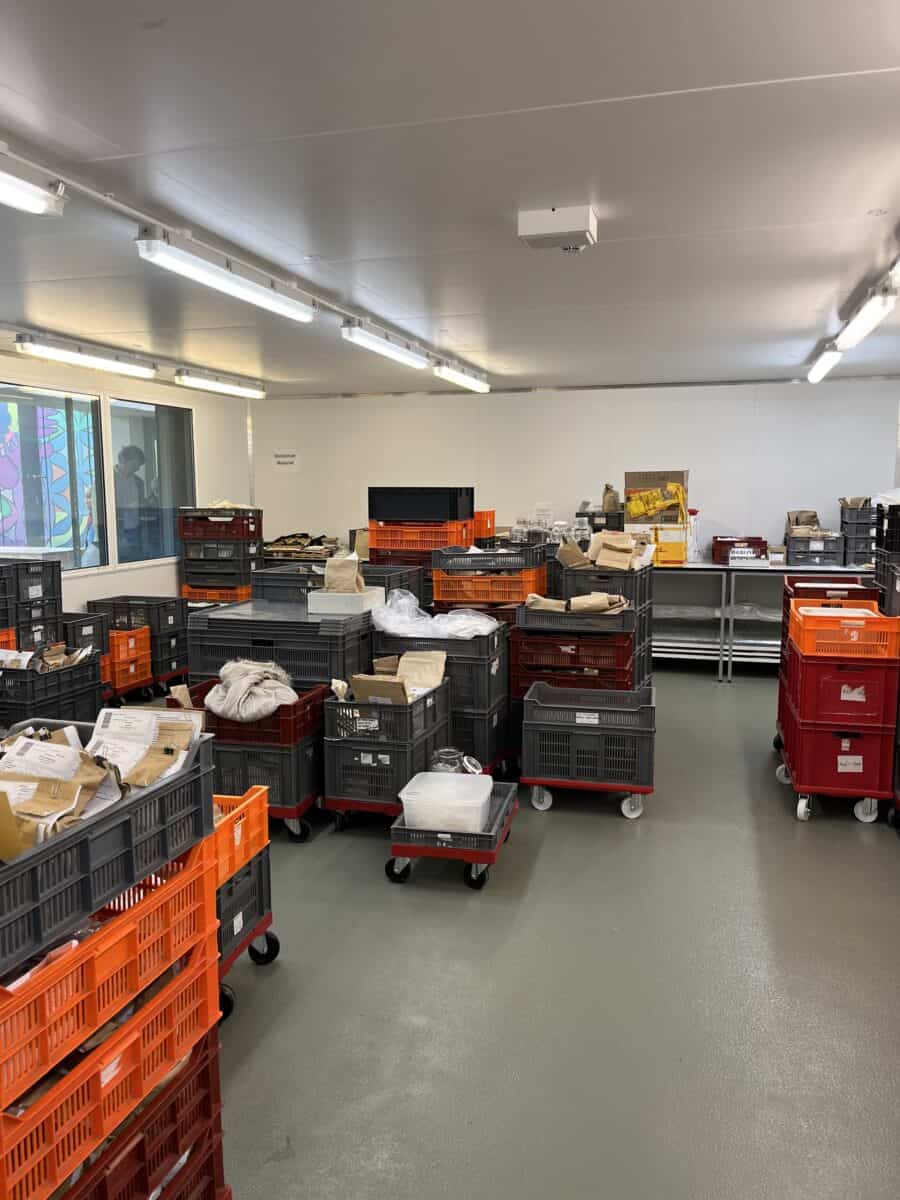
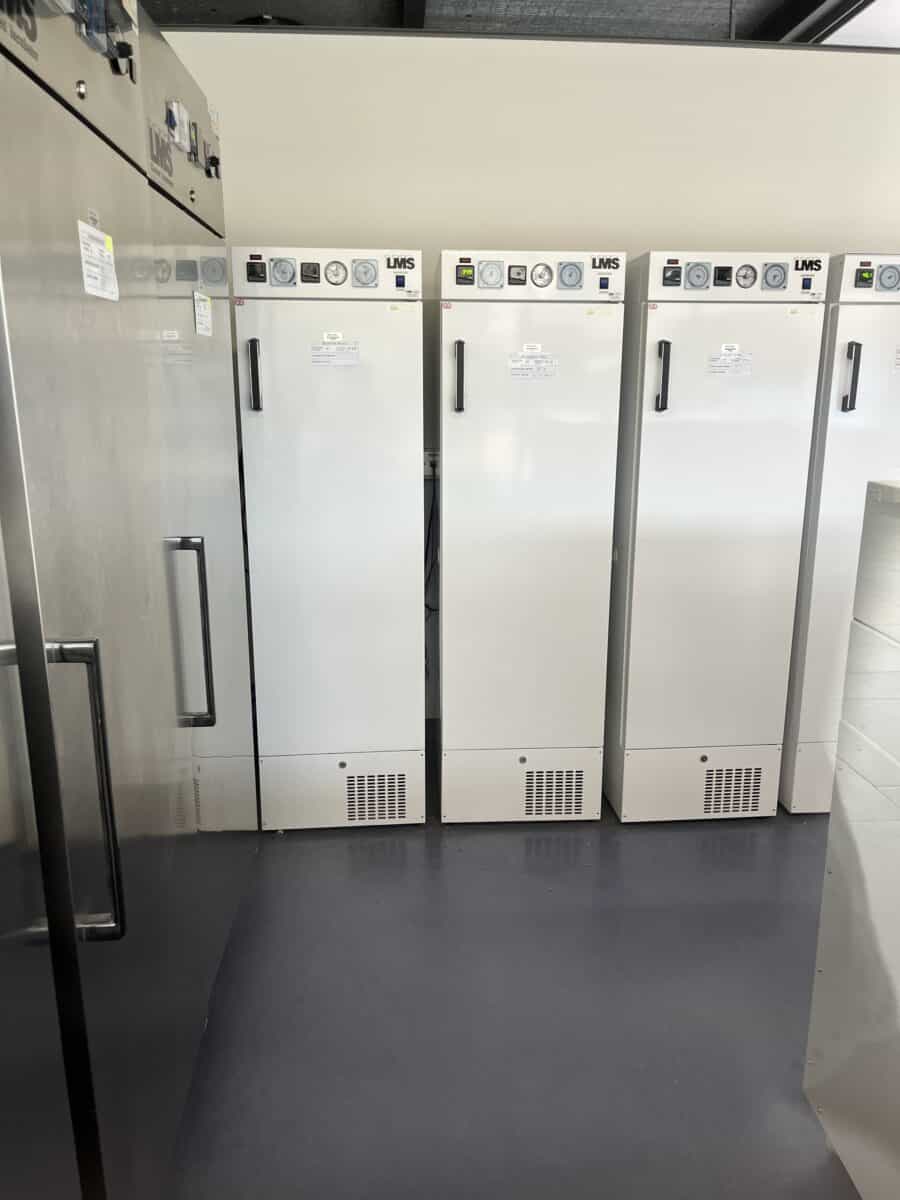
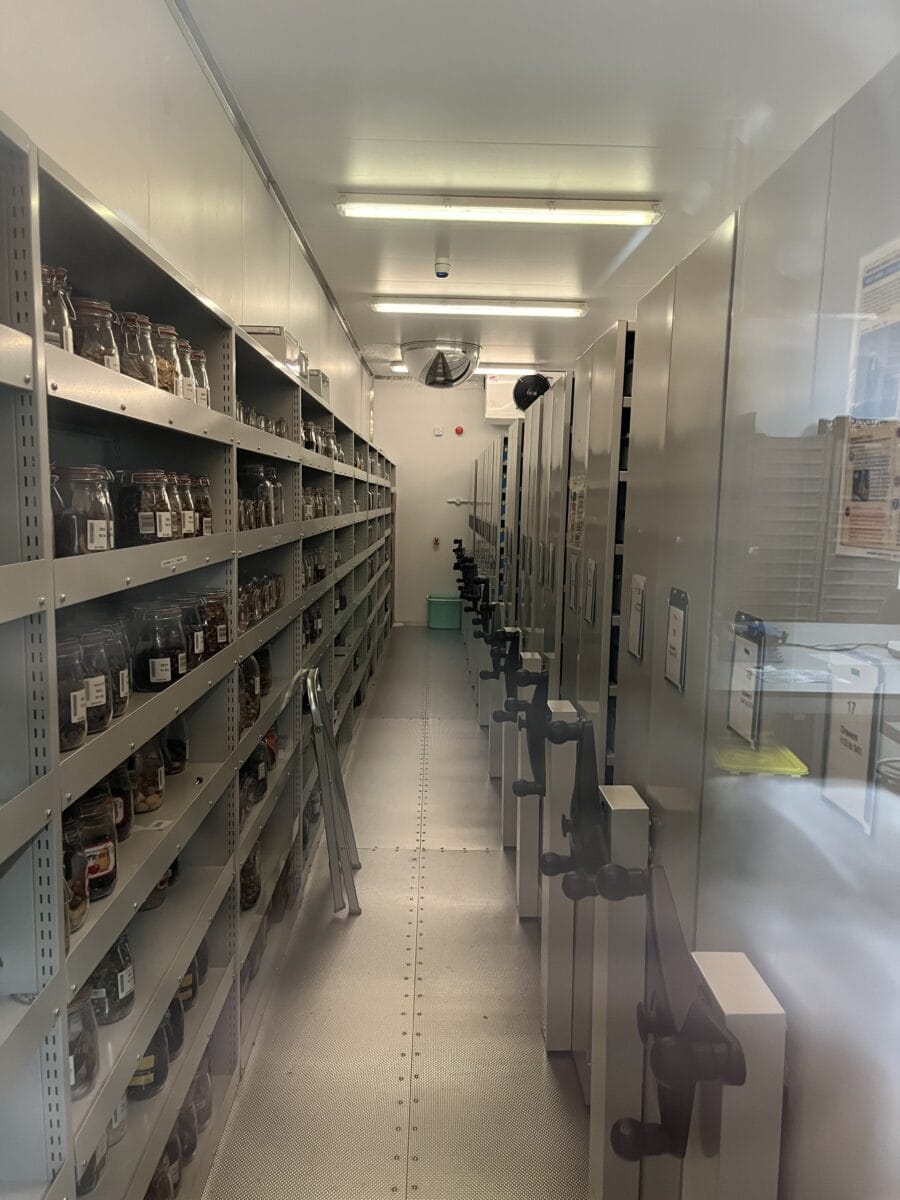
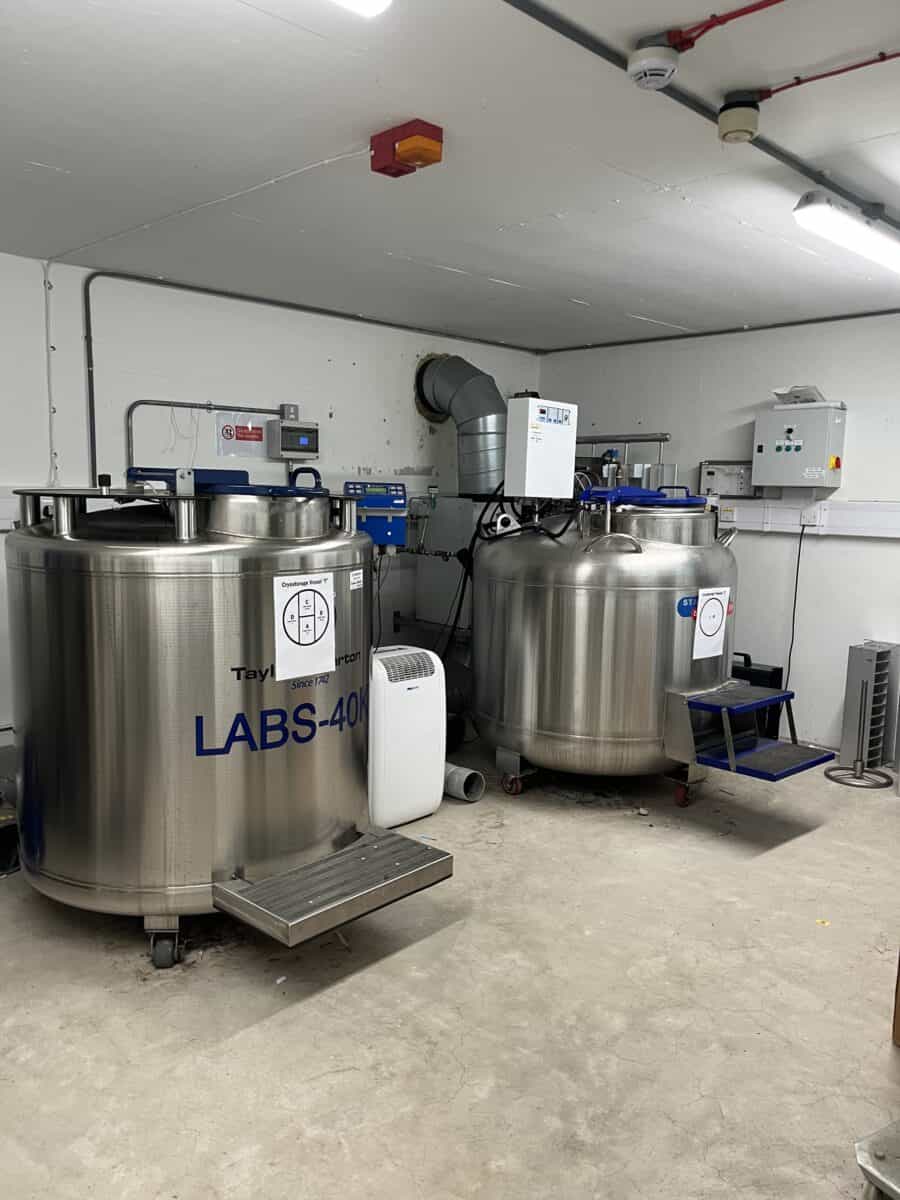
The Millennium Seed Bank is home to one of the largest and most advanced seed conservation programs in the world. Their mission is to collect, preserve, and research plant species from across the globe, safeguarding biodiversity for generations to come. To date, the Millennium Seed Bank has preserved seeds from more than 10 percent of the world’s bankable plants, with ambitions to significantly increase that number. While visiting, Alison was able to go behind the scenes to laboratory spaces in seed processing and cryopreservation.
Alison described the experience as “a remarkable learning opportunity” explaining, “I am grateful to have visited a global leader in conservation. Seeing how Kew’s Millennium Seed Bank protects biodiversity of thousands of global species reinforced how important our own efforts are in preserving native biodiversity at home. Getting a closer look at the advanced conservation practices, especially in the lab spaces, was fascinating. Observing how Kew manages seed viability and long-term seed storage sparked new ideas for enhancing our own seed bank operations.”
Acadia Seed Bank
The Acadia Seed bank is one of our three conservation pillars at the K.C. Irving Environmental Science Centre within the Irving Biodiversity Collection. The Harriet Irving Botanical Gardens are our living collection, the E.C. Smith Herbarium is our historic collection, and the Acadia Seed Bank is our future collection. The Acadia Seed Bank is focused on herbaceous species of the Wapna’ki region, to date we have over 300 species represented and plan to increase numbers through targeted annual collections. Since joining our team in 2024 Alison has spent time optimizing our Seed Bank processes for collection, storage, and routine germination testing.
Looking Forward
The trip is progress toward ongoing efforts to expand the Irving Centre’s own seed bank, focused on herbaceous plants of the Acadian, Wapna’ki, forest region. The visit to Millenium Seed Bank highlighted numerous opportunities for future collaboration, knowledge-sharing, and strengthening international conservation partnerships.
K.C. Irving Environmental Science Centre Research Director Dr. Mark Mallory concludes: ”This was a wonderful opportunity to further connect the Irving Centre seed bank, and the activities we do here, to those scientists dedicated to preserving our wild heritage globally, while also contributing to the development of an early career researcher. The Irving Centre is committed to growing both our collection, but also our connection.”